Insurance adjusters usually look for signs of sudden roof damage, the source of the damage, roof age, and whether the policy may apply.
Homeowners can prepare by documenting leaks, storm dates, missing shingles, and interior stains before the inspection.
Start with a local roofer, read our guide to insurance claim roof replacement in Fairfax, or see how Wikipedia defines roofers.
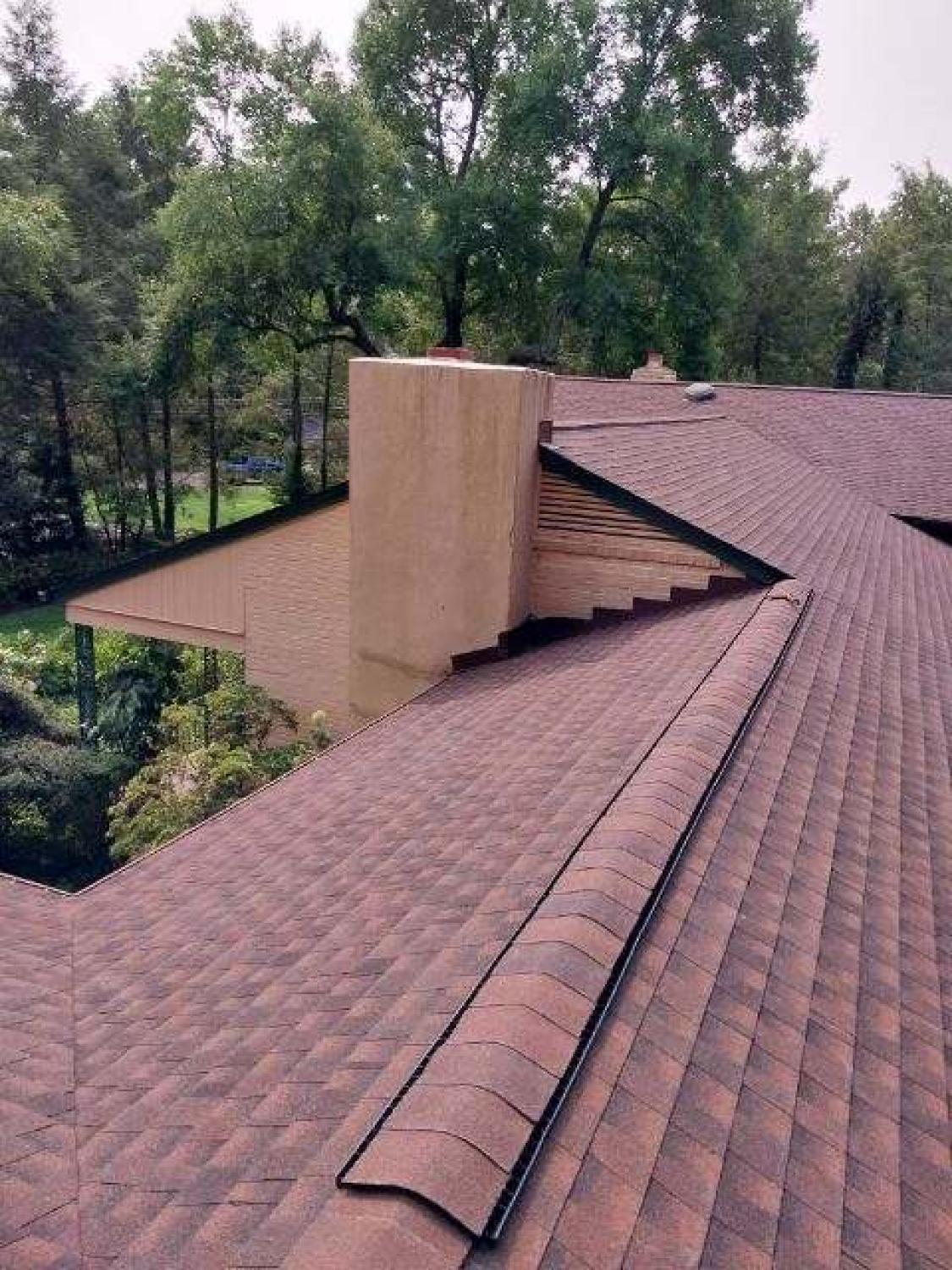
- Adjusters look for cause, pattern, roof age, and leak evidence.
- Shingles matter, but gutters, vents, flashing, and interior stains matter too.
- Good notes help the inspection stay focused and easier to understand.
An insurance adjuster roof inspection can feel like a big moment. The person is looking at the damage, the policy, and the story of what happened.
From our opinion, homeowners should understand what adjusters are usually checking. It helps the inspection feel less mysterious.
What we’ve seen is that people often think adjusters only look for missing shingles. From real projects, the full inspection can include many small clues across the roof system.
| Situation | What it usually means | Helpful next step |
|---|---|---|
| Missing shingles | Possible wind damage or age-related failure | Document when it happened and where |
| Hail marks | Impact damage on shingles, vents, or gutters | Take safe photos if visible |
| Interior stains | Possible active or past leak path | Show ceiling spots and attic signs |
| Roof age | Older roofs may have wear mixed with storm damage | Know the approximate roof age if possible |
They Look for the Cause of Damage
Insurance claims often depend on what caused the roof problem. Wind, hail, falling limbs, and sudden storms are reviewed differently than old age.
In our opinion, the cause matters as much as the visible damage. A missing shingle tells part of the story, but not the whole thing.
What we’ve seen is that older roofs can have both storm damage and normal wear. That mix can make the inspection more detailed.
They Check Shingles Closely
Adjusters may look for missing shingles, lifted tabs, cracks, bruises, granule loss, and impact marks. They may also check if damage is widespread or isolated.
From real projects, shingle damage is not always easy to see from the ground. Some issues only show when someone gets close to the roof surface.
A roofing contractor can also review shingles and explain what looks like storm damage, age, or installation trouble.
They Review Hail Damage Clues
Hail can leave marks on shingles, metal vents, gutters, siding, and soft metals around the roof. These clues help tell whether a storm affected the home.
Hail damage does not always mean giant holes. Sometimes it shows as bruising, granule loss, or small impact spots.
In our opinion, hail inspections need patience. The damage can be subtle, especially when the roof already has age on it.
They Look at Wind Damage
Wind can lift shingles, break seals, fold tabs, or remove sections of the roof. It can also expose underlayment and make leaks more likely.
What we’ve seen is that wind damage may appear on one slope more than another. The direction of the storm can matter.
Good photos help because wind damage can change after more rain or more storms pass through.
The adjuster is not just looking for a bad roof. They are looking for the cause of the damage and whether the policy may apply.
They Check Leak Evidence
Interior stains, attic moisture, wet insulation, and damaged drywall can help show that water entered the home.
A leak does not always show exactly where the roof failed. Water can travel before it appears inside.
From real projects, tracing a leak often takes more than looking at the stain. The roof, attic, flashing, and vents all need attention.
They Review Flashing and Roof Details
Flashing around chimneys, walls, vents, and valleys is a common leak area. Adjusters may check whether damage is storm-related or maintenance-related.
In our opinion, roof details matter because many leaks start where materials meet. A roof can have good shingles and still leak at a weak flashing point.
This is also where clear contractor photos can help explain the issue.
They Consider Roof Age and Condition
An older roof may have brittle shingles, worn granules, past repairs, and ventilation issues. These can affect how a claim is reviewed.
What we’ve seen is that homeowners sometimes do not know the roof age. If you have records, permits, or old invoices, keep them handy.
Roof age does not automatically decide everything, but it is part of the bigger picture.
How Homeowners Can Prepare
Before the adjuster arrives, gather photos, storm dates, leak notes, and any repair history. Keep the information simple and organized.
Do not climb on a roof if it is unsafe. Photos from the ground and inside the home are still useful.
From real projects, preparation helps homeowners ask better questions and understand the claim decision more clearly.
- Can you point to the room with the leak?
- Do you have photos from right after the storm?
- Do you know which side of the roof had visible damage?
Why Adjusters Look for Patterns
Adjusters often look for patterns across the roof. A few random marks can mean one thing, while repeated marks on several slopes can tell a stronger story.
From our opinion, patterns matter because roof damage is rarely just one clue. It is usually a group of details that starts to make sense together.
What Homeowners Can Point Out
Homeowners can point out ceiling stains, rooms with leaks, missing shingles they noticed, and the date of the storm if they know it.
What we’ve seen is that homeowners sometimes forget important details during the inspection. From real projects, writing a short list before the visit can help.
Why Interior Clues Matter
The inside of the home can show what the roof is doing. Stains, soft drywall, bubbling paint, and attic moisture can all support the roof inspection.
In our opinion, interior clues should never be brushed off. They may help show that the roof problem is active and not just cosmetic.
How Hail Damage Can Hide
Hail damage may not look dramatic from the sidewalk. It can show as small bruises, granule loss, or marks on vents and gutters.
What we’ve seen is that hail damage often needs close review. From real projects, a quick ground-level look can miss important signs.
From real projects, the small details often matter. Vents, gutters, flashing, and attic stains can help explain the roof story.
Why Wind Damage Is Tricky
Wind can lift shingles and break the seal without removing every shingle. That can leave the roof more exposed during the next rain.
From our opinion, wind damage deserves careful attention because it can look small at first. The roof may still be vulnerable even if only one area looks rough.
What Age Tells the Adjuster
Roof age gives context. An older roof may have brittle shingles, old repairs, and worn granules before the storm ever happens.
What we’ve seen is that age and storm damage can overlap. From real projects, this is where clear photos and honest explanation matter.
Ask what was inspected, what was not inspected, and when you should expect the written estimate or claim decision.
Why Flashing Gets Reviewed
Flashing protects roof edges, walls, chimneys, and valleys. If flashing is loose or bent, water can sneak into the home.
In our opinion, flashing is one of the quiet details that deserves more attention. Many leaks begin where materials meet.
Why Gutters and Vents Matter
Gutters, vents, and soft metal parts can show storm clues. Dents or marks may support what is seen on the shingles.
What we’ve seen is that the roof system tells a fuller story when these parts are checked too. From real projects, the best inspections look beyond shingles.
What Makes an Inspection Easier
A safe, open inspection area helps. Clear attic access, notes about leaks, and photos from the storm can make the appointment smoother.
From our opinion, preparation is not about arguing. It is about helping everyone understand what happened to the roof.
What A Careful Roof Review Feels Like
From our opinion, a good roof review should feel careful, not rushed. The adjuster is trying to connect roof conditions to the claim details.
What we’ve seen is that homeowners often expect the adjuster to only look at missing shingles. In real projects, the review can include many small roof details.
They may check slope direction, shingle condition, gutters, vents, flashing, attic signs, and interior stains. Each clue can support or weaken the claim story.
That is why a homeowner should be ready to point out what they noticed first. The stain, leak, fallen shingles, or storm date can help guide the inspection.
It also helps to share safe photos you took before the visit. Photos taken right after the storm may show conditions that change later.
Storm Damage Versus Normal Wear
One of the biggest questions is whether the roof damage came from a covered event or normal aging. This is where the inspection can get detailed.
From our opinion, older roofs need extra care during review because wear and storm damage can show up together. One does not automatically cancel the other.
What we’ve seen is that brittle shingles, faded granules, and old repairs can make the roof harder to read. The adjuster may look for patterns that show sudden damage.
For wind, they may look for creases, lifted tabs, torn seal strips, and missing shingles. For hail, they may look for bruising, impact marks, and soft metal dents.
From real projects, the best documentation explains the exact roof areas. “Back left slope near the valley” is much clearer than “the roof is bad.”
Inspection Detail Chart
| Inspection Detail | What It May Show | Homeowner Tip |
|---|---|---|
| Shingle seal strips | Wind lift or broken bond. | Do not pull shingles yourself. |
| Granule loss | Age, hail, or heavy wear. | Photograph gutters if granules collect there. |
| Soft metals | Possible hail impact clues. | Check vents and gutter faces. |
| Interior stains | Water entry path. | Take photos before painting. |
| Attic decking | Hidden leaks or rot. | Use caution and avoid unsafe attic walking. |
Why Photos Matter So Much
Photos help because roof damage can change. A loose shingle can blow away, a stain can dry, and a temporary repair can cover the original issue.
From real projects, photos have helped homeowners remember exactly where a leak started. They have also helped explain why a quick tarp was needed.
What we’ve seen is that wide photos and close photos work best together. The wide photo shows where you are on the roof, and the close photo shows the detail.
If you only have close-ups, it can be hard to tell which slope or roof area is shown. If you only have wide photos, the damage may be too small to see.
A good photo set tells a simple story. Here is the roof area, here is the damage, and here is how it connects to the problem inside.
What Homeowners Can Do During The Visit
Be ready with the claim number, storm date if known, and any photos or contractor notes. This keeps the appointment moving.
Show the adjuster where water entered the home. Interior damage can help connect the roof issue to a real problem.
From our opinion, homeowners should ask questions in plain language. If a term sounds confusing, ask what it means and why it matters.
What we’ve seen is that the best inspections are calm and practical. The homeowner does not need to argue; they need clear information.
After the visit, ask when to expect the estimate or decision. Knowing the next step helps reduce the waiting-game stress.
A Small Tip Before The Adjuster Arrives
From our opinion, the best thing a homeowner can do before the appointment is make the home easy to understand. Clear access, clear photos, and clear notes can make the visit smoother.
What we’ve seen is that simple details help more than big speeches. Point to the room with the leak, share when it started, and show any shingles or debris found after the storm.
From real projects, those small clues can guide the inspection to the right slope or roof feature. That saves time and keeps the focus on the actual problem.
RIBA Roofing & Exteriors can inspect your roof, document what we see, and explain the damage in a way that is easy to understand.
Frequently Asked Questions
What does an insurance adjuster look for on a roof?
An adjuster may look for storm damage, hail marks, missing shingles, leak evidence, roof age, flashing issues, and policy-related details.
Should a roofer be present during an adjuster inspection?
A roofer can often help point out roof conditions and provide photos, but the insurance company makes the coverage decision.
Do adjusters look inside the home too?
They may review interior stains, attic moisture, drywall damage, and other signs that water entered the home.