
Roof insurance claims in Virginia usually start with damage documentation, a call to the insurance company, and an inspection by an adjuster.
The process feels easier when you know what each step means and what information helps the claim move forward.
Start with a local roofer, read our guide to insurance claim roof replacement in Fairfax, or see how Wikipedia defines roofers.
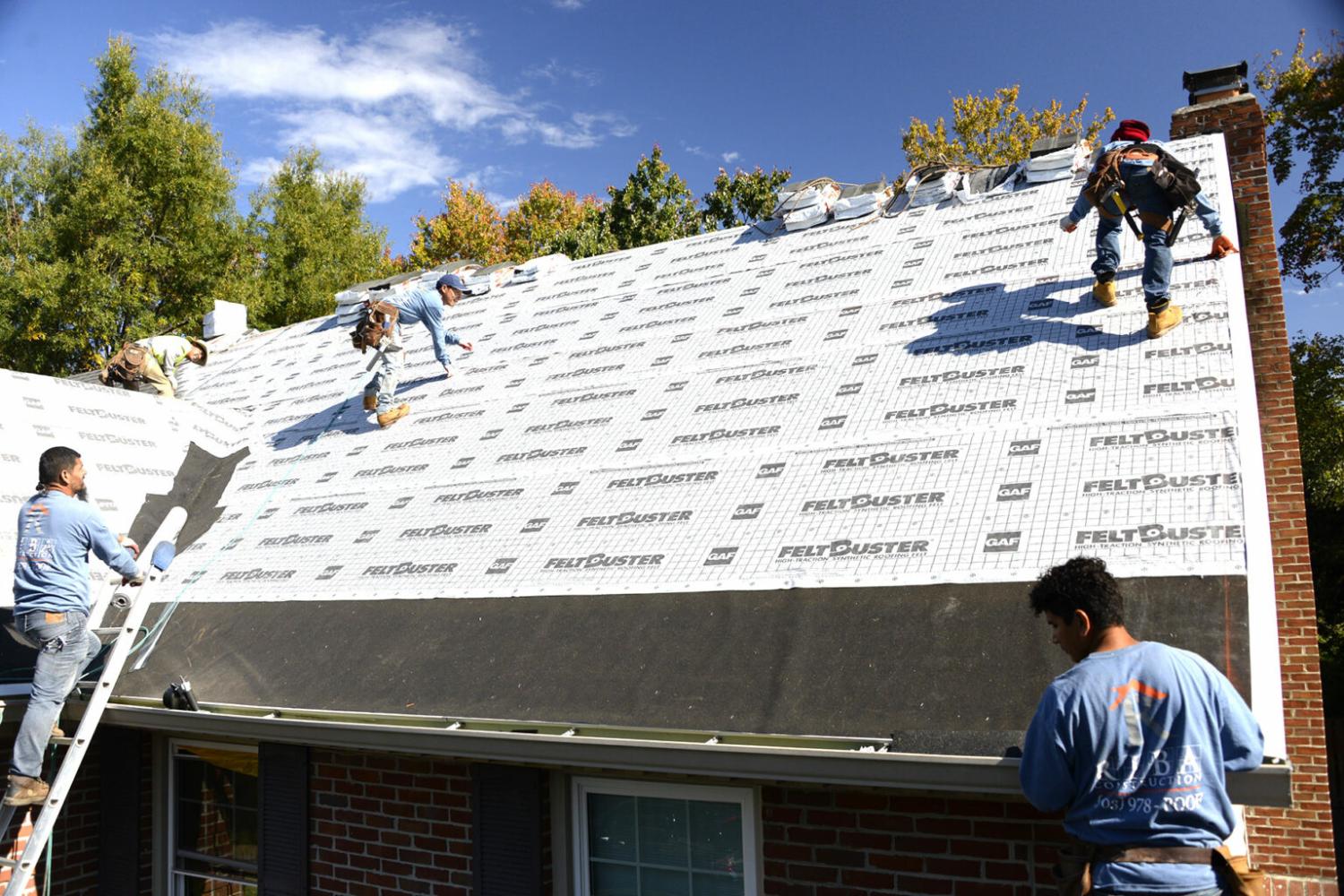
- Start with photos, dates, and notes before anything gets cleaned up.
- Expect an adjuster inspection and a written scope from the insurance company.
- Compare the insurance scope with the real roof condition before choosing the next step.
A roof insurance claim can feel like a maze at first. You have storm damage, paperwork, a deductible, and a roof that may still be leaking.
From our opinion, the best first move is to slow down and get clear information. A rushed claim can leave homeowners confused about what is covered and why.
What we’ve seen is that Fairfax homeowners often feel better once the roof damage is explained in simple words. From real projects, good photos and clear notes can make the process much less stressful.
| Situation | What it usually means | Helpful next step |
|---|---|---|
| Storm damage appears | Wind, hail, falling limbs, or heavy rain may have affected the roof | Take photos and protect the home from more damage |
| Claim is opened | The insurance company starts a file and may assign an adjuster | Write down claim numbers and appointment times |
| Inspection happens | The adjuster checks damage and policy details | Have roof photos and contractor findings ready |
| Scope is reviewed | Insurance may approve repair, replacement, or deny the claim | Compare the scope with roof condition and ask questions |
Step 1: Document the Roof Damage
Take photos of missing shingles, bent flashing, damaged gutters, ceiling stains, and storm debris around the home. These details help show what happened.
In our opinion, homeowners should also write down the storm date if they know it. That small detail can help connect the roof damage to a weather event.
What we’ve seen is that people often clean up too fast. Before you move debris or cover an area, take clear photos from safe locations.
Step 2: Contact Your Insurance Company
Once you have basic notes and photos, call your insurance company or start the claim online. They will explain your policy steps and schedule an adjuster inspection.
This is where many homeowners start to feel unsure. The insurance company has its process, and the homeowner is trying to understand roof damage at the same time.
From real projects, we know it helps to keep every claim number, email, photo, and estimate in one folder. It saves time later.
Step 3: Schedule the Roof Inspection
The adjuster inspection is a key part of the claim. The adjuster looks at the roof, reviews visible damage, and compares it to policy coverage.
A roofing contractor can also inspect the roof and explain what is happening. The contractor does not decide coverage, but they can document roof conditions.
From our opinion, the best inspection is calm and detailed. A quick glance from the ground is not enough for many storm-damage situations.
Step 4: Review the Insurance Scope
After the inspection, the insurance company may send a scope of work. This can include approved repairs, replacement items, pricing, and the deductible.
Read it slowly. If something does not match the roof condition, ask questions before you move forward.
What we’ve seen is that homeowners often need help understanding the difference between the insurance paperwork and the actual roof work needed.
At this point, think of the claim like a folder of proof. The better the folder, the easier it is for everyone to understand what happened.
Step 5: Choose the Right Next Move
If the claim is approved, the next step is planning repair or replacement. If it is denied, you may still have options to review the findings.
The right move depends on roof age, storm damage, leak history, and the scope of approved work.
From real projects, the easiest jobs are the ones where the homeowner, roofer, and insurance paperwork are all clear before work begins.
Common Mistakes Homeowners Can Avoid
Do not ignore small leaks after a storm. A small stain can point to a larger roof issue that has not shown itself yet.
Do not assume every roof problem is covered. Insurance often looks for sudden damage, not normal aging or old wear.
Do not sign anything you do not understand. In our opinion, a good roofing conversation should make the process clearer, not more confusing.
When Roof Replacement Enters the Picture
Roof replacement may come up when damage is widespread, shingles are badly affected, or repairs would not solve the larger problem.
Insurance may review whether replacement is needed based on the policy and inspection findings. The contractor can explain the roof condition and replacement scope.
What we’ve seen is that homeowners want honest guidance. They do not want a scare tactic; they want to know what the roof actually needs.
Why Local Experience Matters
Virginia weather has its own patterns. Fairfax roofs deal with wind, hail, summer heat, heavy rain, and tree cover.
A local roofing team understands how that weather shows up on shingles, flashing, gutters, and decking.
From real projects, local knowledge helps homeowners understand whether damage looks storm-related, age-related, or like a mix of both.
- Do you have photos of the roof or leak?
- Do you know when the storm or leak happened?
- Do you have the claim number saved somewhere easy?
Why the First Inspection Matters
The first inspection sets the tone for the whole claim. It gives the homeowner a real look at what happened before repair numbers or replacement choices take over the conversation.
From our opinion, this step should feel like a careful walkthrough, not a sales pitch. The homeowner should leave with a clearer idea of roof condition, damage areas, and next steps.
What Homeowners Should Keep in Writing
Keep the claim number, adjuster name, inspection date, roof photos, emails, and any estimate in one place. It may sound boring, but it can save a lot of stress later.
What we’ve seen is that organized homeowners can answer questions faster. From real projects, missing paperwork is one of the easiest ways for a claim conversation to slow down.
Why Photos Can Help So Much
Photos help tell the story of the roof. They can show missing shingles, damaged vents, hail marks, gutter dents, ceiling stains, and other clues that are easy to forget later.
In our opinion, photos should be clear and simple. A few strong photos are better than a giant folder of blurry pictures that no one can understand.
What the Deductible Means
The deductible is the part of the claim the homeowner is responsible for. It can affect whether the insurance payment feels helpful or smaller than expected.
What we’ve seen is that deductibles surprise many homeowners. From real projects, people feel more confident when they understand the numbers before choosing a contractor.
From real projects, claim stress drops when homeowners stop trying to solve the whole thing at once. One step, one document, one answer at a time works better.
Why the Scope of Work Matters
The scope of work explains what the insurance company believes needs to be repaired or replaced. It may include shingles, flashing, vents, underlayment, or other roof parts.
From our opinion, homeowners should compare the written scope with the actual roof concerns. If something important seems missing, it is fair to ask questions.
How Contractors Fit Into the Process
A contractor can inspect the roof, take photos, explain damage, and provide a roof replacement estimate. The contractor does not decide what insurance covers.
What we’ve seen is that homeowners appreciate this role when it is explained honestly. From real projects, trust grows when everyone knows who is responsible for what.
Compare the insurance scope to the roof condition before choosing repair or replacement. A clear scope keeps the final decision grounded.
When a Claim Gets Complicated
A claim may get complicated if the roof is older, damage is hard to see, the storm affected many homes, or the first inspection misses something.
In our opinion, complicated does not mean hopeless. It means the homeowner needs clean documentation, patient communication, and a roofing team that explains things clearly.
How to Stay Calm During the Claim
Roof claims can feel personal because the home is personal. It is normal to feel worried when water is getting in or shingles are missing.
What we’ve seen is that the process feels less heavy when the homeowner knows the next small step. From real projects, clarity is often the best stress reducer.
The Goal Is a Dry, Protected Home
The claim process matters, but the real goal is simple. The roof needs to protect the home again and stop the damage from spreading.
From our opinion, every decision should point back to that goal. Good roof work should solve the problem, not just close a file.
Real-Life Claim Moments We See Often
From our opinion, the roof insurance claim process feels less scary when homeowners know the normal bumps ahead of time. It is rarely a perfect straight line.
What we’ve seen is that a homeowner may call after finding a ceiling stain, then remember a windy night from two weeks earlier. That detail can shape the first conversation.
From real projects, another common moment is finding damage on the roof that the homeowner never noticed from the ground. A roof can look fine from the driveway and still have lifted shingles.
We also see homeowners worry about the deductible right away. That makes sense, because nobody wants a surprise bill in the middle of a stressful roof problem.
The helpful way to handle that is to ask for clear numbers early. Know the deductible, know the roof scope, and know what work is being discussed.
How To Keep The Process Organized
Create one folder for the claim. It can be digital, paper, or both. Put photos, emails, estimates, claim numbers, and inspection notes in the same place.
From our opinion, this simple habit saves a lot of stress. When someone asks for a document, you are not hunting through old texts and random downloads.
What we’ve seen is that organized homeowners usually ask better questions. They can compare the insurance estimate, the contractor estimate, and the real roof condition side by side.
Keep a short timeline too. Write down the storm date if you know it, the date you noticed damage, the date you filed, and the date of each inspection.
That timeline does not need to be perfect. It just needs to help everyone understand the order of events.
Claim Words In Plain English
| Word | Plain Meaning | Why You Care |
|---|---|---|
| Deductible | The part you pay. | It affects your out-of-pocket cost. |
| Scope | The approved work list. | It should match what the roof needs. |
| Depreciation | Money held back for age or policy rules. | It can affect when funds are released. |
| Supplement | A request for missing items. | It may be needed if the first estimate is incomplete. |
| Peril | The event that caused damage. | Wind and hail are common examples. |
When The First Estimate Feels Low
Sometimes the first estimate does not include everything needed to replace the roof correctly. That does not always mean someone did something wrong.
From real projects, missed items can happen when the roof is steep, the weather is bad, or damage is hard to see during the first visit.
What we’ve seen is that homeowners get nervous when numbers do not match. The best next step is to compare line items, not just totals.
Look for shingles, underlayment, starter, ridge cap, drip edge, flashing, vents, disposal, and labor. Roof systems have many pieces.
If something important is missing, a contractor may document it and explain why it belongs in the roof scope. That keeps the conversation focused on facts.
A Simple Example
Imagine a Fairfax homeowner notices shingles in the yard after a storm. The ceiling is dry, so they almost ignore it.
During inspection, lifted shingles are found on the back slope, and the attic shows early staining near a vent. The issue is bigger than it looked from the yard.
From our opinion, that is why a roof inspection matters before making assumptions. Small signs can point to a larger roof problem.
What we’ve seen is that early action often keeps the home safer. Waiting until water is dripping into a room can make the repair more expensive.
The claim process is not about panic. It is about checking the roof, documenting the facts, and choosing the right next step for the home.
RIBA Roofing & Exteriors can inspect the roof, explain what we see, and help you understand the roof work needed before you make a decision.
Frequently Asked Questions
How do roof insurance claims work in Virginia?
Most claims start with damage documentation, a call to the insurer, an adjuster inspection, and a claim decision based on the policy and roof condition.
Can a roofer decide if insurance covers the roof?
No. The insurance company makes coverage decisions. A roofer can inspect damage, provide photos, and explain repair or replacement needs.
Should I get a roof inspection before filing a claim?
It can help. A roof inspection gives you a clearer picture of the damage before or during the claim process.