Roof Replacement Tips for Townhome Owners
A practical checklist for townhome owners who want a smoother roof replacement with fewer HOA, neighbor, and scheduling problems.
Quick Answer
Townhome roof replacement is easier when you confirm HOA rules, notify affected neighbors, choose approved materials, and document the roof condition before work starts.
In our experience, the smoothest projects are planned before the crew arrives. That means access, parking, debris protection, and approval documents are handled early.
A townhome roofing contractor can help you avoid common attached-home mistakes like poor shingle matching, weak flashing transitions, and unclear cleanup plans.
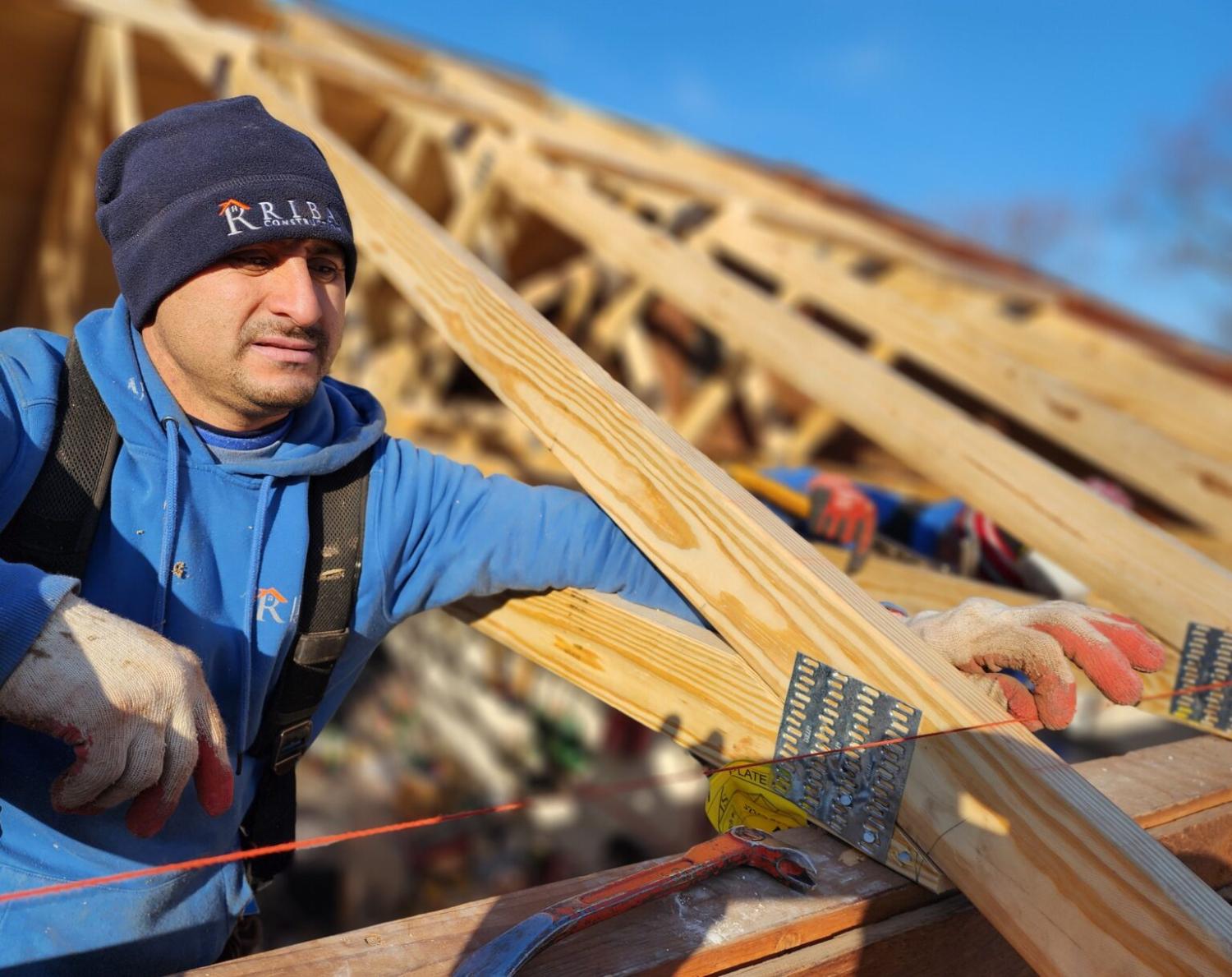
Image recommendation: residential roofing work by RIBA Roofing in Northern Virginia. Alt text: Roof replacement planning for a Fairfax townhome owner.
Replacing a townhome roof can feel like a lot because the home is connected to other homes.
You may need HOA approval, neighbor communication, approved colors, and a plan for driveways, sidewalks, pets, cars, and shared drainage.
What we have seen is that townhome owners do best when they treat roof replacement like a small project plan, not just a one-day repair.
This guide is built to help you prepare for townhome roof replacement in Fairfax with less stress.
Start With The Rules, Not The Shingles
Most homeowners want to start with color and price. For townhomes, the better first step is checking the rules.
Many customers notice that HOA paperwork controls more than they expected. It may include color, shingle style, work hours, contractor insurance, and cleanup rules.
If your home is in Fairfax, community rules can vary by neighborhood, so it is worth reading the exact documents for your property.
In our opinion, written approval is one of the best ways to protect yourself before materials are ordered.
Ask For The Approved List
Some communities have approved shingle colors and brands already listed.
Save The Approval
Keep the approval email or form with your roof documents and warranty papers.
Check Work Hours
Some HOAs limit weekend work, delivery times, or dumpster placement.
Confirm Cleanup Rules
Townhome communities often care about shared sidewalks, parking spaces, and lawns.
A Townhome Roof Replacement Checklist
A simple checklist makes the project easier to manage.
Based on our real-world experience, most surprises happen because one detail was not discussed ahead of time.
Use this table as a planning guide before the work begins.
| Task | Why It Matters | When To Do It |
|---|---|---|
| Review HOA rules | Avoids color, material, or approval problems. | Before choosing shingles. |
| Schedule inspection | Confirms roof condition and visible leak sources. | Before signing a scope. |
| Notify neighbors | Reduces parking, noise, and access issues. | Several days before work. |
| Move vehicles | Protects cars from debris and gives crews access. | Night before or morning of work. |
| Protect attic items | Roof work can shake dust loose inside attic spaces. | Before installation day. |
| Save project records | Helps with warranties, resale, and future HOA questions. | After completion. |
Choose Materials That Fit The Community
The best shingle is not always the fanciest shingle. For townhomes, the best choice is usually the one that protects the home and fits the community rules.
A roof is more than the visible outer layer. It also includes materials and construction that protect the building from weather.
One thing we commonly find is that homeowners focus on color, but underlayment, flashing, ventilation, and workmanship matter just as much.
If your community has strict rules, our HOA approved roof replacement in Fairfax guide may also help.
Architectural Shingles
A common upgrade for townhomes because they look clean and have better depth than flat shingles.
Matching Colors
A close match matters when your roof touches another unit with newer shingles.
New Flashing
Wall and valley flashing are key details on attached homes.
Ventilation Review
Balanced airflow can help reduce heat and moisture problems in the attic.
What To Ask Before You Hire
A good estimate should be easy to understand. It should explain materials, scope, cleanup, warranty, and what happens if damaged decking is found.
In our experience, townhome owners should ask more questions about logistics than detached-home owners.
Small access details matter because homes are closer together.
| Question | Why It Helps | Good Sign |
|---|---|---|
| Have you worked on townhomes? | Attached rooflines need careful planning. | The contractor mentions flashing, neighbors, access, and HOA rules. |
| How do you protect nearby property? | Homes and cars may be close to the work area. | The scope includes tarps, magnetic cleanup, and controlled debris removal. |
| What if decking is damaged? | Hidden wood damage can change the scope. | The contractor explains per-sheet pricing and photo documentation. |
| Will you document the job? | Photos help with warranties, resale, insurance, and HOA files. | The contractor provides before and after photos. |
| How will the roof transition be handled? | Shared or nearby roof sections need clean waterproofing. | The contractor explains flashing and tie-in details. |
Helpful Sources And Local Context
A roof is the top covering of a building and includes materials and construction that protect the home from rain, snow, sun, wind, and temperature changes. That broad definition is why we look beyond shingles when inspecting attached homes. For general background, see the public overview of a roof.
For homeowners in community associations, written rules matter. The Virginia Common Interest Community Board and the Virginia Property Owners’ Association Act are useful places to start for general context.
These sources do not replace your own HOA documents, insurance policy, or professional advice. They simply give helpful background for homeowners who want to understand why roof responsibility can be more detailed in attached communities.
Roof Replacement Tips for Townhome Owners Field Notes
In our experience, look for small stains before they become large stains. A small brown ring on drywall may be the first sign of a roof detail that needs attention.
In our experience, ask for photos, not just a verbal explanation. Photos help everyone remember what was found after the rain has stopped.
In our experience, do not ignore gutters. In townhome communities, gutter overflow can affect fascia, siding, walkways, and neighboring units.
In our experience, check the attic if it is safe and accessible. Wet insulation, dark decking, and daylight at penetrations can offer clues.
In our experience, remember that matching matters. A roof repair that looks fine up close may stand out from the street if the shingle color is wrong.
In our experience, think about resale. Clear roof records can help future buyers understand what was repaired or replaced.
In our experience, keep HOA approval in one folder. Store approvals, color names, invoices, warranty papers, and photos together.
In our experience, ask how cleanup is handled. Nail magnets, tarps, and debris control are especially important where homes and cars are close together.
In our experience, plan for noise. If someone works from home, has small children, or has pets, installation day may be easier with a plan.
In our experience, do not wait for repeated leaks. Repeated water entry can damage decking, insulation, drywall, paint, and trim.
In our experience, if the issue may involve a shared element, communicate early. A short message to a neighbor or HOA can prevent surprises.
In our experience, choose clarity over speed. Fast work is good, but clear scope, material approval, and documentation matter more.
Common Mistakes To Avoid
Common Mistake
Do not assume the visible leak location proves who is responsible. Water can travel before it shows inside, especially in attached homes.
Do not choose roof color, shingle style, or installation timing before checking HOA rules when the home is in a community association.
Pro Tip
Create one simple roof folder with inspection photos, HOA approval, estimate, invoice, warranty details, and any insurance notes. It helps now, and it can help when you sell the home later.
Need Help With A Townhome Roof?
If you are dealing with a leak, shared roofline, HOA approval, or an aging attached-home roof, RIBA Roofing can inspect the roof and explain your options in plain language.
Request A Roof InspectionRelated Townhome Roofing Resources
For local help, visit RIBA Roofing or learn more about Fairfax roofing services.
If you are comparing repair, replacement, shared responsibility, and HOA rules, our main guide to townhome roof replacement in Fairfax is the best next page to read.
Frequently Asked Questions
What should townhome owners do before roof replacement?
Townhome owners should review HOA rules, schedule a roof inspection, confirm approved materials, notify nearby neighbors, and plan access before installation day.
Do townhomes need different roofing materials?
Not always. Many townhomes use architectural asphalt shingles, but the material must fit the roof design, HOA rules, and existing community appearance.
Should I tell my neighbor about my roof replacement?
Yes. If homes are attached, it is smart to tell neighbors about noise, parking, debris, and any shared roofline concerns before work starts.
How long does a townhome roof replacement take?
Many townhome roof replacements can be completed quickly, but timing depends on roof size, pitch, weather, access, and whether decking damage is found.
Can I pick any roof color for a townhome?
Not always. HOA communities may require approved roof colors or shingle styles. Always check before ordering material.
Can RIBA Roofing help with townhome roof planning?
Yes. RIBA Roofing can inspect the roof, explain options, and help Fairfax townhome owners plan a cleaner replacement process.
Final Thoughts
Roof Replacement Tips for Townhome Owners is easier to understand when you slow the problem down and look at the roof as a full system.
In our experience, attached-home roofing works best when homeowners have clear documentation, careful inspection notes, and a contractor who understands shared rooflines.
If you want help looking at a townhome, duplex, or attached-home roof in Fairfax, RIBA Roofing can walk you through the next step.
More Real-World Notes
What we have seen is that clear communication helps every part of an attached-home roof project. The homeowner, neighbor, HOA, insurance contact, and contractor can all make better decisions when the roof condition is documented with photos and explained in simple language.
In our opinion, the best roof decision is not always the fastest decision. It is the decision that protects the home, follows the community rules, and gives the owner a clear record for future repairs, resale, or warranty questions.
What we have seen is that clear communication helps every part of an attached-home roof project. The homeowner, neighbor, HOA, insurance contact, and contractor can all make better decisions when the roof condition is documented with photos and explained in simple language.
In our opinion, the best roof decision is not always the fastest decision. It is the decision that protects the home, follows the community rules, and gives the owner a clear record for future repairs, resale, or warranty questions.
What we have seen is that clear communication helps every part of an attached-home roof project. The homeowner, neighbor, HOA, insurance contact, and contractor can all make better decisions when the roof condition is documented with photos and explained in simple language.
In our opinion, the best roof decision is not always the fastest decision. It is the decision that protects the home, follows the community rules, and gives the owner a clear record for future repairs, resale, or warranty questions.
What we have seen is that clear communication helps every part of an attached-home roof project. The homeowner, neighbor, HOA, insurance contact, and contractor can all make better decisions when the roof condition is documented with photos and explained in simple language.
In our opinion, the best roof decision is not always the fastest decision. It is the decision that protects the home, follows the community rules, and gives the owner a clear record for future repairs, resale, or warranty questions.
What we have seen is that clear communication helps every part of an attached-home roof project. The homeowner, neighbor, HOA, insurance contact, and contractor can all make better decisions when the roof condition is documented with photos and explained in simple language.
In our opinion, the best roof decision is not always the fastest decision. It is the decision that protects the home, follows the community rules, and gives the owner a clear record for future repairs, resale, or warranty questions.
What we have seen is that clear communication helps every part of an attached-home roof project. The homeowner, neighbor, HOA, insurance contact, and contractor can all make better decisions when the roof condition is documented with photos and explained in simple language.
In our opinion, the best roof decision is not always the fastest decision. It is the decision that protects the home, follows the community rules, and gives the owner a clear record for future repairs, resale, or warranty questions.