
How to Prepare for Roof Replacement
A simple preparation plan helps protect belongings, keep the work zone clear, and make installation day easier.
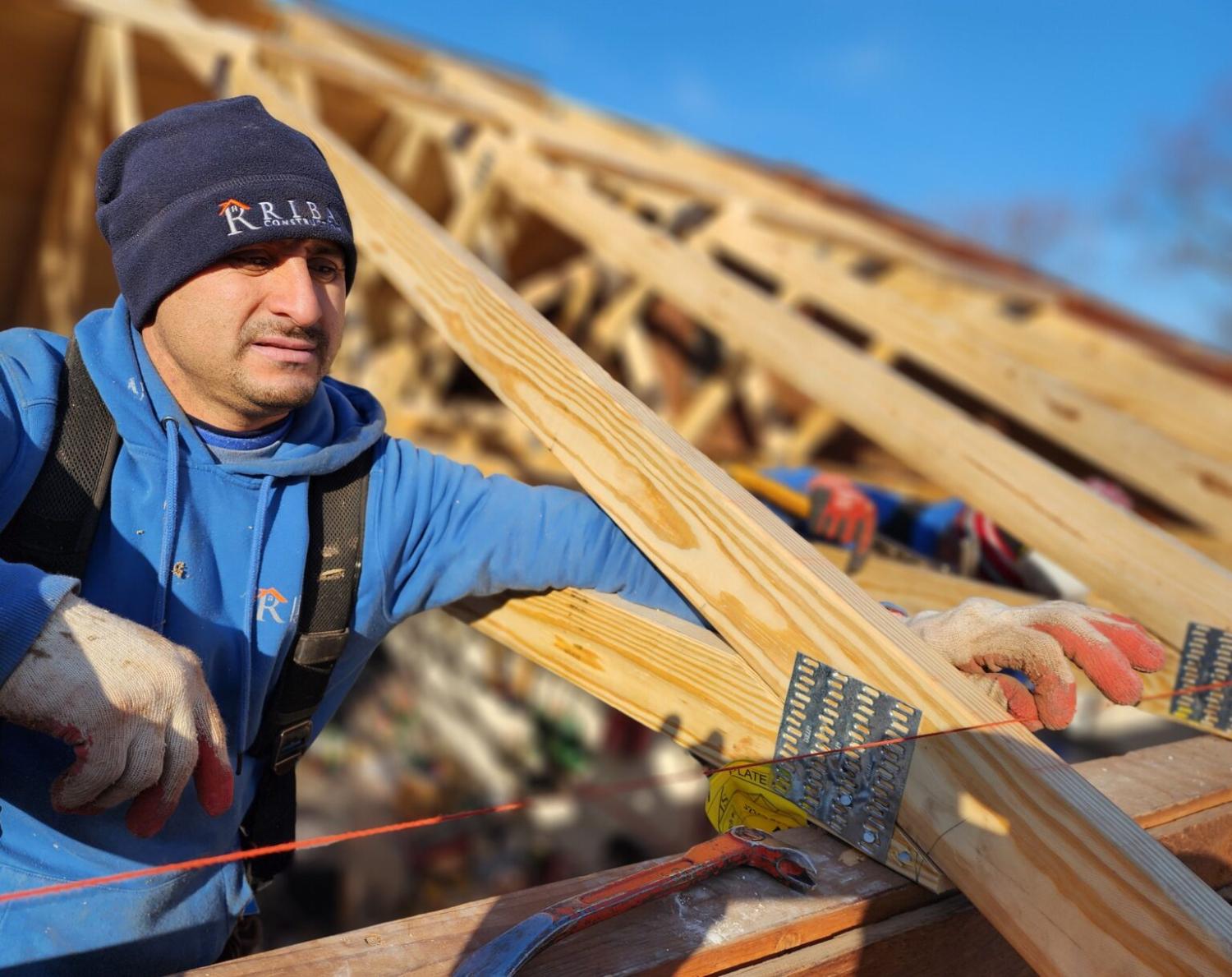
When Fairfax homeowners ask how to prepare for a roof replacement, start with access, belongings, household routines, and communication. RIBA Roofing & Exteriors serves Fairfax and Northern Virginia. This checklist explains what to do before the crew arrives and what to ask the project lead.
Start preparing a few days ahead
Confirm the planned start date, arrival window, staging location, and driveway needs. Ask where materials and a dumpster will sit and whether the crew needs a gate code. A quick check-in the day before can catch access issues before the crew arrives.
Read the agreement and note the work area, included cleanup, and change-order process. Ask who will notify you if weather moves the date. Our roof replacement timeline guide explains the usual steps and schedule changes.
Move vehicles and outdoor items
Move cars, bicycles, grills, patio furniture, and portable planters away from the house and delivery route. Roof tear-off creates falling debris, and crews need room to move equipment. Ask how far to clear the area and whether the driveway or side entrance will be blocked.
Bring in cushions and fragile exterior decorations. Point out items that cannot be moved, such as fixed lighting or delicate landscaping. Do not place belongings under a roof edge where workers will remove shingles or carry materials.
Protect attic and interior belongings
Roof work can create vibration and dust. If the attic is used for storage, cover or move fragile items and anything dust-sensitive. Ask whether an attic check is part of the project before moving insulation or stored items.
Take down fragile wall decorations and secure shelf items in rooms directly below the roof. This is a simple precaution. If you have a concern about a light, ceiling, or stored item, mention it before work starts so the project lead can discuss it.
Plan for children, pets, and people at home
Roof replacement can be loud and brings activity around the property. Keep children away from the work area and explain that tools, debris, ladders, and deliveries are off limits. Keep pets inside or arrange a quieter place, especially if they react to unfamiliar sounds.
People who work from home, sleep during the day, or have sensory or medical needs may prefer to spend the loudest part of the day elsewhere. Ask the contractor which hours are likely to be busiest, while leaving room for the sequence to change.
Set a safe work zone
Agree on the paths the crew will use and keep household members out of those areas. Do not walk under active roof work or enter a section where tools and materials are being handled. Contact the project lead through the agreed channel instead of approaching someone on a ladder.
OSHA’s residential fall-protection resources explain hazards crews manage at height. Leave roof access and safety equipment to trained workers. Never climb up to check progress or take a photo.
Check doors, gates, and access
Tell the contractor about locked gates, uneven paths, narrow side yards, irrigation lines, and areas where delivery vehicles cannot turn. Make sure the crew knows which entrances should remain available. Share any access code directly with the project contact through your usual secure channel.
Do not remove a fence panel or disconnect a service without coordinating first. The contractor can suggest a route, but the homeowner should approve changes to the property. Photos of landscaping or fragile areas can help document their condition before work.
Give neighbors a clear heads-up
A short notice helps neighbors plan around delivery trucks, noise, or a dumpster. If you live in an HOA or attached-home community, confirm approval, work-hour, parking, and color requirements before materials are ordered. Shared driveways and common areas may need coordination.
Tell neighbors when the work is expected, but avoid promising an exact finish time until the team confirms the scope and weather. If a shared roofline is involved, identify who can answer access or responsibility questions.
Discuss landscaping and utility concerns
Point out garden beds, low branches, outdoor lighting, air-conditioning equipment, and fragile paving near the home. Ask how the crew plans to protect areas below the eaves and where debris will fall. Move portable items well before work begins.
Do not trim branches, move utility equipment, or disconnect a service unless the right professional approves it. Tell the project lead about overhead lines or unusual site conditions during the walkthrough.
Know the weather plan
Ask what happens if rain or high winds arrive after work begins. A contractor should explain how open areas are protected, when work may stop, and how a revised schedule will be shared. Weather decisions protect worker safety and the home.
Keep the project contact’s number available. If the forecast changes, the lead can explain which sections are complete, what remains protected, and when the crew expects to return. Never climb up to inspect a tarp yourself.
Confirm materials and installation details
Before delivery, review the shingle color and product, ventilation or flashing choices, and accessory details in the contract. Ask where extra materials will be placed and how unused bundles will be handled. Confirm substitutions with the contractor before installation.
Keep the estimate and approved change orders accessible. If the plan changes, ask why and what it costs before agreeing. A brief confirmation can prevent confusion about the product or scope later.
Make a plan for noise and routines
Tell the household to expect hammering, scraping, foot traffic, and delivery sounds. If you have calls or a baby’s nap schedule, arrange a backup location when possible. Noise varies by roof section, so the contractor may not know every loud interval in advance.
Charge phones and keep important belongings away from the work area. If you need to leave, confirm how the crew can reach the person who may approve an added scope. Keep windows closed near active work if dust or loose debris could enter.
Prepare for a possible change order
Hidden decking damage, extra shingle layers, or a flashing condition may become visible only after tear-off. Ask how the contractor documents such a finding, how the price is calculated, and who approves the change. A written unit rate or allowance helps you understand the cost before the work proceeds.
Decide who can approve added work and how the crew should reach that person. Do not give blanket approval for unspecified repairs. Photos and a written explanation make it easier to understand why additional work is needed and how it affects timing.
What to keep clear on installation day
- Driveway and delivery path
- Walkways and entrances the crew will use
- Areas below the roof edge
- Gates, side yards, and utility access
- Children’s play areas and pet routes
- Agreed interior areas if attic access is needed
Check with the contractor before placing a dumpster or moving items near the house. Keep an emergency path available even if normal access changes.
Review the finished work
Ask when cleanup, final review, and documents will be delivered. Walk the ground with the project lead if offered, but do not climb onto the roof. Ask what work remains, where extra materials will go, and how to report a concern later.
Request final photos, product information, warranty documents, the invoice, and any applicable permit records. Keep them with your home documents. If debris is found later, contact the contractor with its location so the area can be checked.
Checklist for the day before
Confirm the start time, move vehicles, bring in patio items, secure pets, and clear the staging path. Protect delicate attic storage and items below the roof. Tell everyone when noise is expected and how to contact the project lead.
Check the forecast and keep the contractor’s number handy. Do not remove barriers or enter the work area to check progress. Ask about access and protection before the crew starts.
Things homeowners should not do
Do not climb onto the roof, stand below active work, or move ladders and safety equipment. Keep belongings away from the eaves during tear-off. The work zone may remain unsafe even when no worker is visible.
Do not approve a price change verbally if you do not understand its scope. Ask for photos and a written change order. Do not promise household members or neighbors an exact finish time unless the contractor has confirmed the schedule.
Household preparation priorities
Clear access
Move vehicles and belongings from delivery and debris areas.
Protect belongings
Secure attic storage and fragile items under the roof.
Plan for noise
Arrange a quieter place for pets or remote work if needed.
Set expectations
Confirm contacts, weather updates, and change approvals.
Roof-day checklist
| When | What to do |
|---|---|
| Before delivery | Confirm date, staging, and access |
| The day before | Move vehicles and protect belongings |
| During work | Keep people and pets away from the work zone |
| At completion | Request cleanup check and warranty documents |
For the installation sequence, read how long a roof replacement takes. If a leak needs attention before the scheduled project, review emergency roof repair in Fairfax.
Frequently asked questions
Do I need to leave the house during roof replacement?
Usually not, but the project can be loud. Consider another location if household needs, remote work, or pets make the noise difficult.
Should I move my car before roofers arrive?
Yes, move vehicles away from staging and work areas if the contractor requests it. Confirm where delivery trucks and dumpsters will be placed.
Do I need to cover everything in my attic?
Protect fragile or dust-sensitive items and ask whether the crew needs access. Do not disturb insulation unless advised.
How should I prepare my dog for roof work?
Keep pets indoors away from the work zone or arrange a quieter place. Secure gates and tell the project lead about pet access needs.
Can I watch roofers from a ladder or balcony?
Do not climb onto the roof or enter the work zone. Ask the project lead for progress photos or updates.
What if it rains on installation day?
Contact the project lead and follow the protection plan. Do not go onto the roof to inspect a tarp or exposed area yourself.
Getting ready for a roof project?
Talk through your roof concerns with RIBA Roofing & Exteriors. Call 703-978-7663 or request a quote online.
Make a short property walk-through
Before the work date, walk the outside with the project lead if a visit is available. Point out outdoor outlets, sprinkler controls, delicate plantings, and any place where water tends to collect. Confirm which areas the crew will use and what needs to remain accessible. If a fixture or surface is already damaged, mention it and take a clear photo for your records.
Inside, identify any attic hatch or storage area that the crew may need to reach. Ask whether the inspection happens before installation or during the work. This helps you move belongings once, instead of discovering during tear-off that the team needs access to a crowded space.
Keep project information together
Save the signed proposal, product selections, contact details, and approved changes in one place. Write down the expected start window and the best way to reach the project lead. If someone else will be home, share the plan and explain who can approve changes. A clear point of contact avoids conflicting instructions.
After work, keep the final invoice, product labels, warranty paperwork, photos, and any inspection records with the same file. These documents can help answer questions during future maintenance or a home sale. Ask the contractor how to report a concern and what information will help them locate it.