
Emergency Roof Repair Fairfax VA
Fast, careful help for active leaks, storm damage, and roofing problems that cannot wait.
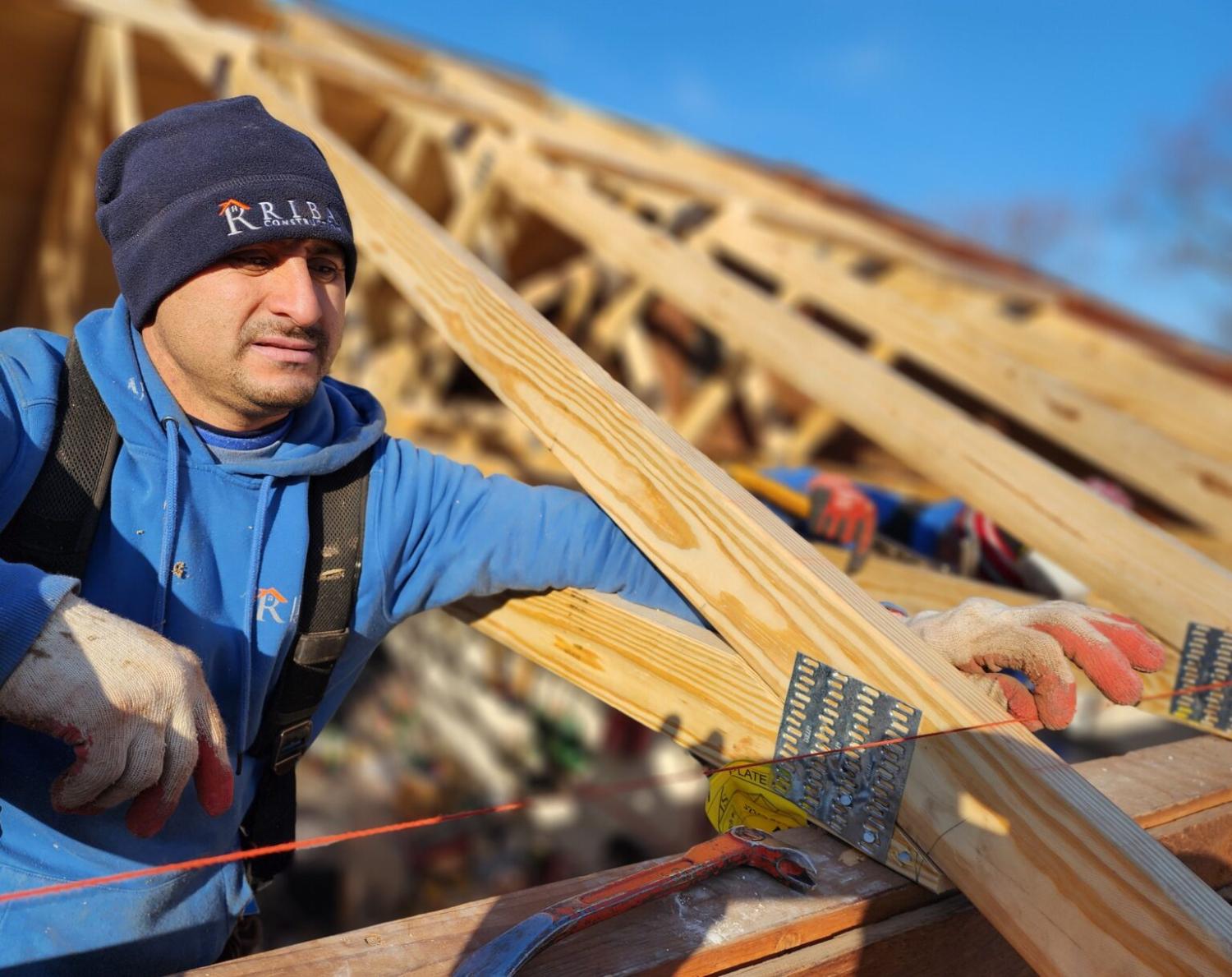
Homeowners in Fairfax and Northern Virginia deserve a straightforward explanation before they spend money on a roof. RIBA Roofing & Exteriors helps local homeowners understand the condition of their roofing system, the practical options, and the next step.
When a roof problem is an emergency
Not every missing shingle requires an after-hours response, but active water entry, exposed decking, a fallen tree, or a large storm opening deserves prompt attention.
- Water dripping through a ceiling or light fixture
- A tree limb or branch through the roof
- Large areas of missing shingles after wind or hail
- Exposed underlayment, decking, or attic insulation
- A ceiling that is sagging or showing a rapidly growing stain
First steps while you wait for a roofer
In our experience, Protect people first. Move furniture, place containers under drips, and keep clear of wet electrical fixtures. Take wide and close photographs from the ground or a safe interior location.
Do not climb onto a wet roof at night or during wind. A tarp can reduce additional water entry, but it should be installed by someone trained and equipped for roof access.
Notify your insurer when storm damage may be involved. Keep receipts for reasonable emergency mitigation and avoid throwing damaged materials away before they are documented.
What an emergency inspection checks
In our experience, A careful inspection follows the water path from the attic and ceiling back to the roof surface. The visible hole is not always the source; flashing, valleys, pipe boots, and wall intersections commonly redirect water.
The contractor checks shingles, fasteners, underlayment, flashing, gutters, and decking. Interior evidence such as wet insulation or darkened wood helps determine whether drying or additional repairs are needed.
Temporary protection versus permanent repair
In our experience, Temporary protection buys time. Permanent repair addresses the failed materials and the reason water entered. A written scope should identify both the emergency measure and the follow-up work.
Based on our real-world experience, vague promises create more stress after a storm. Ask what is being secured today, what will be repaired later, and how the final price may change if hidden damage is found.
Storm damage and insurance documentation
In our experience, Photograph roof slopes, gutters, siding, attic areas, and interior stains. Write down the date of the storm and when the leak was first noticed. Do not exaggerate damage; accurate records are easier for an adjuster to evaluate.
A contractor can explain observed conditions, but the insurer determines coverage. Keep the policy, claim number, estimates, and correspondence together. The Virginia Department of Professional and Occupational Regulation is a useful resource for checking contractor licensing.
Common emergency repair mistakes
- Hiring the first person who arrives without verifying insurance or license information
- Allowing work to begin without a written scope and payment terms
- Assuming a ceiling stain is the only damage
- Pressure-washing or scrubbing shingles after a storm
- Waiting for a claim decision while water continues entering the home
How RIBA approaches urgent roof calls
In our experience, The first conversation is about safety, access, and whether water is entering now. The next step is a focused inspection and photos that help explain the recommendation.
If a repair is appropriate, the scope should state the affected area, materials, flashing details, ventilation concerns, and cleanup. If replacement is safer, the reason should be explained with the same clarity.
Emergency roof repair costs in Fairfax
In our experience, Cost depends on access, roof pitch, materials, storm severity, decking condition, and whether temporary protection is required. A small flashing repair and a storm opening with wet decking are very different jobs.
Ask whether the estimate includes emergency labor, materials, disposal, interior protection, and follow-up visits. A clear estimate helps you compare proposals without focusing only on the lowest number.
After the repair: prevent a repeat leak
In our experience, Keep the repair record and photos. Schedule a follow-up after the next heavy rain if the problem involved concealed water. Check the attic for damp insulation or new staining when it is safe.
Trim branches that contact the roof, keep drainage paths clear, and plan regular inspections after major storms. Emergency work is most useful when it leads to a durable fix and a maintenance plan.
What to look for
Active leak
Contain water indoors and request an inspection quickly.
Storm opening
Document damage, protect the opening, and ask for a written scope.
Interior stain
Trace the source before repairing drywall or paint.
Tree impact
Keep clear of structural hazards and call for coordinated mitigation.
Compare the common options
| Situation | Likely first step | What to ask |
|---|---|---|
| Active leak | Interior protection and roof inspection | Where is water entering? |
| Missing shingles | Ground and attic review | Is the underlayment exposed? |
| Tree impact | Safety assessment and temporary cover | Is decking or framing damaged? |
| Hail or wind | Photos and documented inspection | What damage is storm-related? |
A practical emergency response checklist
When a roof issue appears suddenly, slow down enough to protect people and document the condition. Keep family members away from wet ceilings, sagging drywall, and areas where water is near electrical fixtures. Place containers under active drips and move furniture or valuables out of the affected area when it is safe to do so.
Take wide and close photographs from the ground or attic. Note when the leak began, what weather occurred, and whether the water continued after the rain stopped. Those details help the roofer separate a roof leak from condensation, plumbing, or HVAC moisture.
Do not climb onto a wet or damaged roof. A temporary tarp or other protective measure should be installed by someone trained to work safely at height. Once the immediate water path is controlled, ask for a written scope that explains the cause, the temporary work, the permanent repair, and any concealed-condition allowance.
Frequently asked questions
How do I schedule an evaluation?
Call 703-978-7663 or use the quote form to request an evaluation. The team can discuss the concern, access, and timing before visiting.
Do you serve areas outside Fairfax?
Yes. RIBA Roofing & Exteriors serves Fairfax and communities throughout Northern Virginia, including Vienna, Chantilly, Centreville, Reston, Burke, Springfield, and nearby areas.
Will I receive a written recommendation?
A useful recommendation should explain observed conditions, repair or replacement options, and any items that need follow-up. Ask questions before approving work.
How can I protect my roof between visits?
Keep gutters clear, avoid walking on shingles, document leaks with photos, and use a temporary tarp only when it can be placed safely.
Need urgent help with a roof problem?
Call 703-978-7663 or request a free quote. RIBA Roofing & Exteriors serves Fairfax and Northern Virginia.