How Homeowners Budget for a New Roof
Practical budgeting strategies for Fairfax homeowners planning a roof replacement — whether your timeline is 6 months or 6 years away.
Most Fairfax homeowners budget for a new roof through a combination of savings, financing, and insurance proceeds. The most effective approach is to start planning before the roof fails — setting aside $100–$200/month in a dedicated home maintenance fund and getting a professional inspection every 3–5 years so you have an accurate timeline.
In our experience, homeowners who plan proactively spend 20–35% less on their roof replacement than those who replace in emergency mode — because they can compare contractors, choose the right season, and avoid rushed decisions.
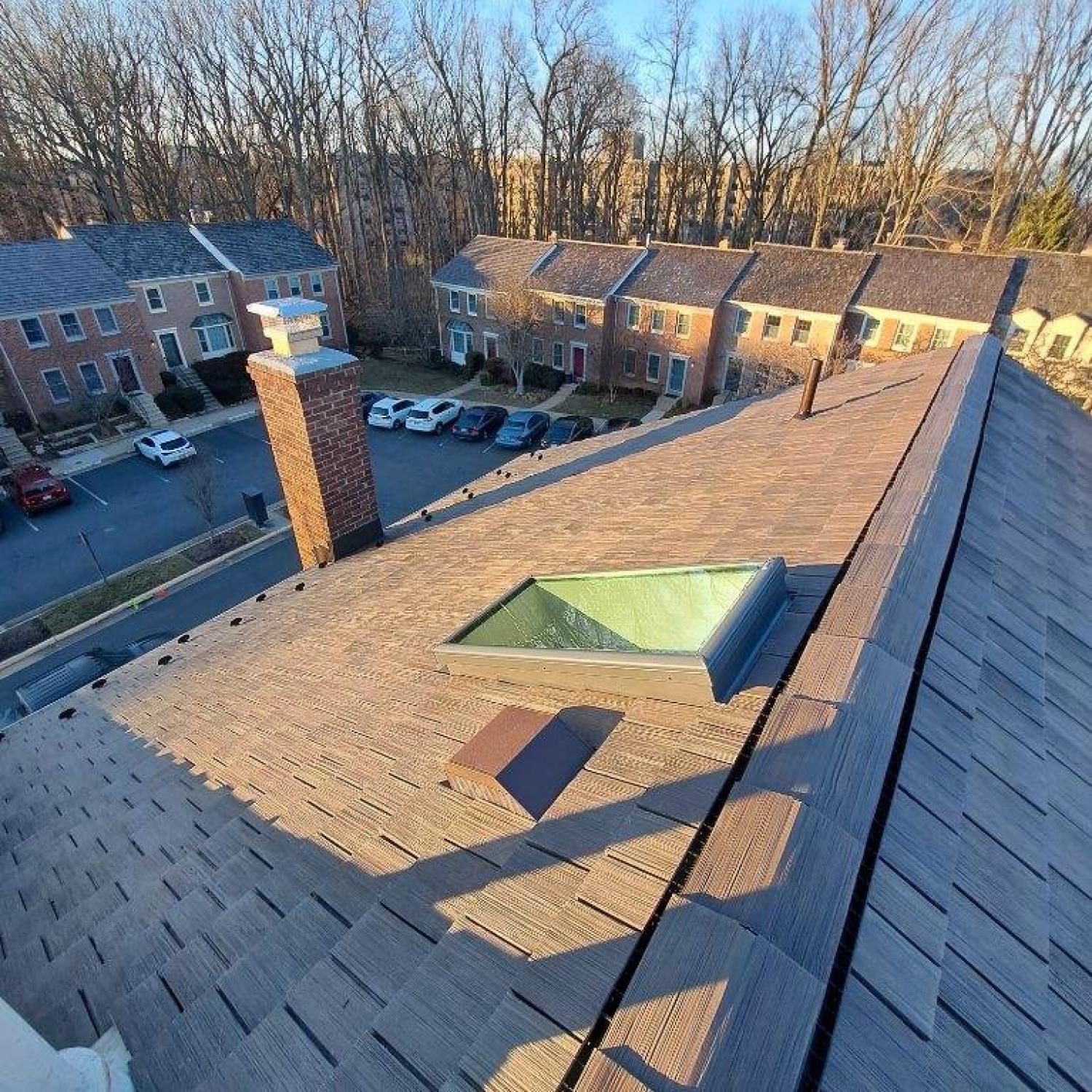
Budgeting for a new roof is something most homeowners avoid thinking about until water is coming through the ceiling. That’s exactly backwards.
What we’ve seen is that homeowners who plan ahead — even by just 12–24 months — consistently make better decisions, get better prices, and stress less about the entire process.
This guide walks through every budget strategy available to Fairfax homeowners — from long-term savings plans to smart financing approaches. For a deeper look at payment options, read our guide to roof replacement financing in Fairfax.
Step 1: Know Your Roof’s Timeline Before You Budget
Budgeting starts with knowing approximately when your roof will need replacement. You can’t plan for a cost you don’t know is coming.
Typical Roof Lifespans in Fairfax, VA
| Material | Expected Lifespan | Avg Cost Range (Fairfax) | Cost Per Year of Life |
|---|---|---|---|
| 3-Tab Asphalt Shingles | 15–20 years | $7,000–$12,000 | $400–$700/year |
| Architectural Shingles | 25–30 years | $11,000–$20,000 | $400–$700/year |
| Impact-Resistant Shingles | 30–40 years | $15,000–$28,000 | $400–$700/year |
| Metal Roofing | 40–70 years | $20,000–$50,000 | $400–$800/year |
One of the most interesting things we share with homeowners: the cost-per-year of life is remarkably similar across most roofing materials. The difference is in how much of that cost you pay upfront vs. over time through maintenance and eventual replacement.
Pro Tip
If you bought your home and don’t know when the roof was last replaced, look for building permits on the Fairfax County property search portal, check your pre-purchase home inspection report, or ask RIBA Roofing to do a professional age assessment — we can estimate roof age within 2–3 years based on material condition and weathering patterns.
Step 2: Get a Real Cost Estimate — Not a Guess
Budgeting based on neighborhood estimates or internet ranges is unreliable. Your roof has unique characteristics — pitch, size, complexity, current condition — that significantly affect the final price.
The most important budgeting step is getting a real, written estimate from a licensed roofing contractor.
What a Complete Estimate Should Include
- Total square footage of roof surface (not home footprint)
- Specific material type, brand, and warranty details
- Underlayment type (synthetic vs felt)
- Ice and water shield requirements
- Flashing replacement (should always be included)
- Tearoff of existing layers and disposal
- Permit costs
- Decking repair policy — how they handle unexpected deck damage discovered during tearoff
- Cleanup and final inspection process
- Warranty terms — both manufacturer and workmanship
Common Mistake
Many homeowners budget based on the first estimate they receive without getting a second opinion. We recommend getting 2–3 written estimates to understand the range — and then comparing line by line, not just the total. The cheapest estimate is rarely the best value when you understand what’s being excluded.
Step 3: Choose Your Funding Strategy
Once you know the cost and timeline, you can match a funding strategy to your situation. Most Fairfax homeowners use a combination of approaches:
Cash / Savings
No interest, no applications. Best option if you have time to save and the roof isn’t urgent. Aim to have 3–6 months of target cost saved before the roof needs replacement.
Insurance Claim
If storm damage contributed to the deterioration, a claim can cover a significant portion. Always have a professional document damage before filing. RIBA assists with insurance roof claims in Fairfax.
Contractor Financing
Fast approval, no upfront cost, flexible terms. Best for homeowners who need the roof now and can’t wait to save. See all options in our Fairfax financing guide.
Home Equity Products
HELOCs and home equity loans offer lower interest rates for homeowners with significant equity. Best for larger projects or those planning a major home renovation anyway.
Combining Funding Sources
The smartest budgeters often use multiple sources. A typical combination:
- Insurance claim covers 60% of project (storm/hail damage)
- Savings covers the deductible ($1,000–$3,000)
- Financing covers any approved upgrades or uncovered portions
This approach minimizes the amount you need to finance and keeps monthly payments low. For more on how to evaluate repair vs. replacement timing as part of your budget, read our guide on roof replacement vs ongoing repairs.
The Long-Term Savings Approach: Building a Home Maintenance Fund
The most financially sound strategy is to treat your roof like any other major appliance — and budget for its replacement from day one of homeownership.
How to Calculate Your Monthly Roof Savings Target
-
1Estimate your roof replacement cost
Get a ballpark from a professional inspection or a brief estimate. For most Fairfax homes, use $12,000–$18,000 as a planning range for architectural shingles.
-
2Determine your remaining roof lifespan
If your roof is 10 years old with a 25-year life expectancy, you have roughly 15 years left. If it’s 20 years old, you may have 5–8 years.
-
3Divide the target by the months remaining
$15,000 replacement ÷ 180 months (15 years) = $83/month to set aside in a dedicated home improvement savings account.
-
4Set up automatic transfers
Automate transfers to a high-yield savings account dedicated to home maintenance. Don’t touch it unless the roof (or another major system) actually needs it.
-
5Revisit annually
If the roof deteriorates faster than expected or costs increase, adjust your monthly savings target. Annual inspection gives you updated timeline data.
Budget Planning by Timeline
Your approach should change based on how urgent the situation is:
| Timeline | Recommended Strategy | Key Action |
|---|---|---|
| Roof failing now / Active leak | Contractor financing + insurance | Call RIBA Roofing immediately for inspection and same-day financing |
| 1–2 years out | Savings + financing hybrid | Save aggressively now; get estimate; explore financing options |
| 3–5 years out | Dedicated savings account | $150–$250/month in high-yield savings; annual inspection |
| 5–10 years out | Long-term home equity building | $75–$125/month; focus on HELOC eligibility long-term |
| New homeowner / Unknown age | Get inspection first | Determine exact condition and remaining life before any other step |
Timing: When Is the Best Time of Year to Replace a Roof?
Budget planning also means timing your replacement for the best combination of price, availability, and weather conditions.
Late Summer / Early Fall
August–October is prime season. Weather is reliable, shingles seal well in warm temperatures. Demand is highest — book early and expect 2–4 week scheduling lead times.
Spring
March–May is a strong second option. Mild temperatures, good conditions. Popular after winter damage assessments — schedule early to avoid the post-storm rush.
Winter
November–February typically has faster availability and occasional off-season pricing. Roofing can be done in cold weather with proper techniques — don’t let winter deter you if the roof needs replacement urgently.
Budget Timing Tip
Off-season scheduling (November–February) can sometimes yield 5–10% better pricing and faster scheduling. If your roof can safely wait, planning a winter replacement may save money.
Frequently Asked Questions
Related reads: How Roof Financing Works — a step-by-step breakdown of the financing process. Can You Finance a Roof Replacement — eligibility and approval explained. What Impacts Roof Replacement Cost — all the pricing variables decoded.
For more on what roofing systems include and roofing industry standards, the Wikipedia overview of roofing is a helpful reference. The U.S. Department of Energy guide to energy-efficient roofing also covers how material choices affect long-term home efficiency costs.
Start Your Roof Budget Plan With a Free Inspection
RIBA Roofing will inspect your current roof, give you an accurate estimate, and help you understand your timeline and payment options — so you can plan smart instead of scramble later. Serving Fairfax, Fair Oaks, Merrifield, Fairfax Station, and all of Northern Virginia.