
How Long Does Roof Replacement Take?
A realistic timeline depends on the roof, materials, weather, access, and what the crew finds after tear-off.
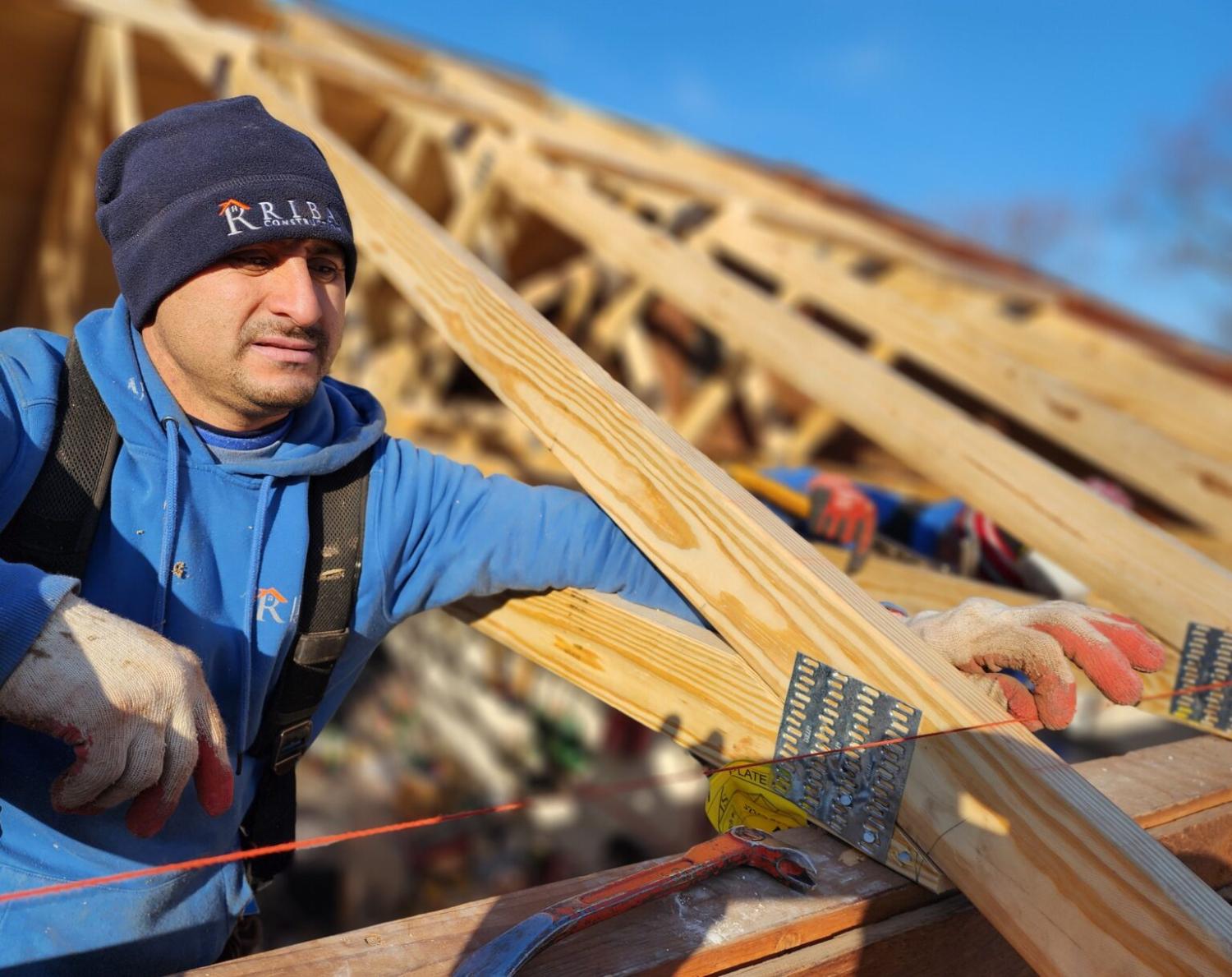
When homeowners in Fairfax ask how long roof replacement takes, the first useful step is to separate what can be seen from what still needs to be checked. RIBA Roofing & Exteriors provides roofing guidance in Fairfax and Northern Virginia. This article explains practical decision points, what to ask, and when a professional roof inspection can help.
How long does a roof replacement usually take?
There is no single schedule that fits every home. A straightforward asphalt shingle replacement may be completed in a day or two, while a large, steep, multi-level roof or a project with concealed repairs can take longer. Weather, material delivery, access, tear-off layers, and crew size all affect the timeline. A contractor should estimate the work after reviewing the actual roof rather than promising a fixed duration from the street.
Homeowners get the most useful timeline when it is broken into preparation, tear-off, installation, detail work, and cleanup. Ask what is expected to happen on each day and which conditions could change the plan. For information about getting ready, see our roof replacement preparation checklist.
What determines the schedule
Roof size is only one factor. Pitch and height affect safe access. Hips, valleys, dormers, skylights, chimneys, and wall transitions add cut and flashing work. Limited staging space can slow material movement, while a home with several roof planes may require more setup than a broad simple roof. Removing multiple existing layers also adds time for labor and disposal.
The condition under the old shingles can change the scope. Decking problems cannot always be confirmed until the covering is removed. If the written estimate includes a unit price for sheathing replacement, ask who documents the condition and how work approval happens. A clear change process keeps the crew from waiting on decisions and keeps the homeowner informed.
A step-by-step view of roof day
- Arrival and setup: the crew reviews access, protects work areas, and stages tools and materials.
- Removal: existing roofing is removed in the planned sections and loaded for disposal.
- Deck inspection: exposed decking and roof details are checked before new layers go down.
- Dry-in: underlayment and specified water-control details are installed.
- Roofing installation: shingles and accessories are installed according to the selected system.
- Detailing and cleanup: edges, penetrations, and transitions are finished, debris is collected, and the work is reviewed.
The exact order can vary by material and roof shape. Ask the project lead how the crew will protect any area left open if work must stop before the roof is complete.
Why weather can pause the work
Roofing depends on safe footing and conditions suitable for the materials being installed. Rain, high winds, lightning, or a wet surface can make work unsafe or affect installation. A contractor may pause before starting or cover an exposed section and resume when conditions allow. A schedule that includes weather flexibility is more realistic than one that assumes every workday will be clear.
Ask how the crew will protect the roof if weather changes after tear-off begins. The answer should explain which sections are opened, what temporary protection is used, and how the homeowner will be updated. If the forecast shifts before work begins, the contractor should communicate a new start plan rather than rush the crew into unsafe conditions.
How material delivery affects timing
Material availability and delivery access can shape the start date. The contractor may coordinate shingle bundles, underlayment, flashing, and disposal equipment so materials arrive close to the installation date. If the driveway is narrow or the home is on a steep lot, staging may require extra planning. Ask where the delivery truck and dumpster will be placed and whether street permits or association rules need attention.
Material substitutions can affect both the appearance and system requirements. If a selected color or component becomes unavailable, request approval of the exact replacement before installation. The written schedule should account for delivery confirmation, not just the crew’s calendar.
What a one-day estimate should include
A one-day estimate can be reasonable for some roofs, but the label alone does not describe the work. Ask whether the timeline covers tear-off, decking checks, installation, flashing, ventilation details, cleanup, and final review. Clarify whether the crew plans to finish the same day when hidden damage or poor weather interrupts work.
Some contractors use separate crews for delivery, tear-off, installation, and cleanup. Others complete the full sequence with one crew. The homeowner does not need to manage those choices, but should know who communicates schedule changes and who has authority to approve additional work. Ask for a contact name and a simple daily update plan.
Do I need to leave my home?
Most homeowners can stay inside during a typical roof replacement, but expect substantial noise from tear-off, foot traffic, and fastening. Vibration may be noticeable, especially in rooms below the work area. If someone in the household works from home, has a medical need, or is sensitive to noise, consider arranging a quieter location for the loudest portion.
Ask whether access to the driveway, garage, or a side entrance will change. Keep children and pets away from the work zone. If the project requires interior access, such as an attic check, coordinate the timing with the crew. Clear communication about access prevents avoidable interruptions on installation day.
How roof complexity changes the schedule
Steep slopes, several levels, dormers, skylights, chimneys, and tight lot lines affect how safely materials and workers move around the home. A complex roof may need more setup, flashing, and cutting. Attached homes can add coordination needs when access, shared areas, or association rules are involved. The schedule should reflect these conditions from the site visit, not assume every roof is a simple rectangle.
Ask the estimator which roof features drive the planned schedule. If one area cannot be accessed safely, the proposal should explain how the contractor will handle it. Safety decisions belong to the roofing crew, and OSHA provides an overview of fall protection in residential construction.
What happens if the crew finds damaged decking
Decking is the wood surface below the roofing material. Soft, split, delaminated, or water-damaged areas may need replacement to support the new roof properly. This is usually easier to evaluate after the old shingles are removed. A proposal should state whether decking is included, carried as an allowance, or billed by a clearly stated unit price.
Before work begins, ask how the crew will document concealed conditions and obtain approval for extra work. Photos, measurements, and a written change order help both sides understand the scope. This matters for timing too: installation may pause until the condition is documented and the homeowner approves the repair.
How permits and inspections may affect the timeline
Permit needs depend on the work and the local jurisdiction. Fairfax County lists direct replacement of roof shingles as work that does not require a county permit, but other repair or structural scopes can have different requirements. The rules can vary in neighboring cities. Ask the contractor to confirm the requirements for your address and work scope before scheduling.
If a permit or inspection applies, build time into the schedule for application review and any required visit. The current Fairfax County permit guidance describes common residential examples. Confirm with the county or the local authority if the job includes sheathing, framing, a structural change, or work beyond a direct shingle replacement.
How to confirm the work is complete
Before the crew leaves, ask who will review the finished roof and whether a final walkthrough is planned. The review should consider ridge caps, valleys, flashings, pipe boots, edges, vents, and the work area. Ask how debris is collected and whether magnetic nail sweep is included. A clean yard is part of the project closeout, but it does not substitute for inspecting roof details.
Request final photos, invoices, product information, warranty documents, and any permit sign-off that applies. Keep these records with the home file. If you notice a concern later, the project contact and photos make it easier to describe the area and ask for a follow-up.
How to plan around an occupied household
Before the scheduled date, choose where people, pets, vehicles, and deliveries will go. Move cars out of the work area and tell household members about the expected noise. If a driveway or walkway will be blocked, plan an alternate route. Let the contractor know about fragile landscaping, garden beds, outdoor furniture, or a gate that needs to remain closed.
For households with babies, remote workers, or pets that react to noise, ask whether the loudest work is expected early in the day and plan a backup location. Do not assume the work will stop at a certain hour unless that is in the agreed schedule. The project lead can provide a realistic window once weather and delivery are confirmed.
How the project can extend beyond installation
Some projects require a second visit for a detail, permit inspection, or manufacturer-related review. A weather delay can also move a planned cleanup or final inspection. These are not automatic signs of poor work, but the contractor should explain what remains and when it will happen. Ask for a written punch list if items are outstanding.
Keep the roof safe and dry while any return work is pending. If an interior leak appears, report it promptly and document the location. A good closeout process makes the remaining work clear rather than leaving the homeowner to guess whether the job is finished.
How roof age and repair needs affect the schedule
A roof replacement sometimes reveals conditions tied to earlier repairs, moisture, or previous ventilation choices. Those findings can require decisions before the new system is installed. The estimator can identify visible concerns before the job, but some concealed issues are only clear after tear-off. That is why contingency language and a contact plan belong in the written agreement.
Ask which issues could add time and which would require a separate approval. A simple decision path may include photos, price per sheet for decking, and written consent before replacement. This arrangement lets the crew address a real condition while giving the homeowner a say in scope and cost.
What to ask before setting a start date
- How many workdays are expected for this specific roof?
- What conditions could extend the schedule?
- When will materials and disposal equipment arrive?
- Who will contact me if weather changes?
- How will hidden decking damage be documented and approved?
- What areas of the property need to stay clear?
- When should I expect final cleanup and closeout documents?
Clear answers turn a rough date into a practical schedule. If a contractor cannot describe the sequence, ask for clarification before signing. The plan should reflect the actual property and should leave room for safe weather decisions.
Schedule drivers to discuss before work begins
Roof shape
Hips, valleys, dormers, and penetrations add detail work.
Access
Steep slopes, height, and staging space affect setup.
Weather
Rain, wind, and wet surfaces can pause work.
Concealed conditions
Decking or flashing repairs may change the scope.
Examples of timeline influences
| Factor | Why it can add time |
|---|---|
| Simple accessible roof | Fewer setup and transition details |
| Steep or multi-level roof | Slower safe access and staging |
| Inclement weather | Work pauses until safe conditions return |
| Deck repairs | Scope needs documentation and approval |
Timing is easier to manage when the household is ready. Use our roof replacement preparation checklist to plan access, noise, pets, and belongings.
Frequently asked questions
Can a roof replacement be completed in one day?
Sometimes. A simple, accessible roof with materials on site may be finished in one day. Size, slope, weather, concealed repairs, and details can make another roof take longer.
How long does a roof replacement take in Fairfax, VA?
The timeline depends on the roof and the project scope. Ask for a site-specific estimate that explains the expected workdays and what can change the schedule.
Can rain delay a roof replacement?
Yes. Wet surfaces, rain, wind, or lightning can affect safety and installation. The contractor should explain the temporary protection plan and how a new work date will be set.
Will roofers need to come inside my home?
Most roof work is exterior. The crew may request attic access for an inspection or to confirm a detail. Coordinate any access before installation day.
Should I move my car during a roof replacement?
Usually it is helpful to move vehicles away from the work and material staging areas. Confirm the exact locations with the contractor before delivery.
What if damaged wood is found after tear-off?
Ask the contractor to document the condition with photos and measurements, explain the unit price or allowance, and receive your approval before extra work proceeds.
Planning a roof replacement in Fairfax?
Talk through your roof concerns with RIBA Roofing & Exteriors. Call 703-978-7663 or request a quote online.