Older homes often have ventilation problems because attic airflow was not always planned the way modern roof systems require.
Poor ventilation can trap heat and moisture, which can age shingles faster and create problems inside the attic.
Start with a local roofer, read our main guide to roof replacement for older homes in Fairfax, or see how Wikipedia defines roofers.
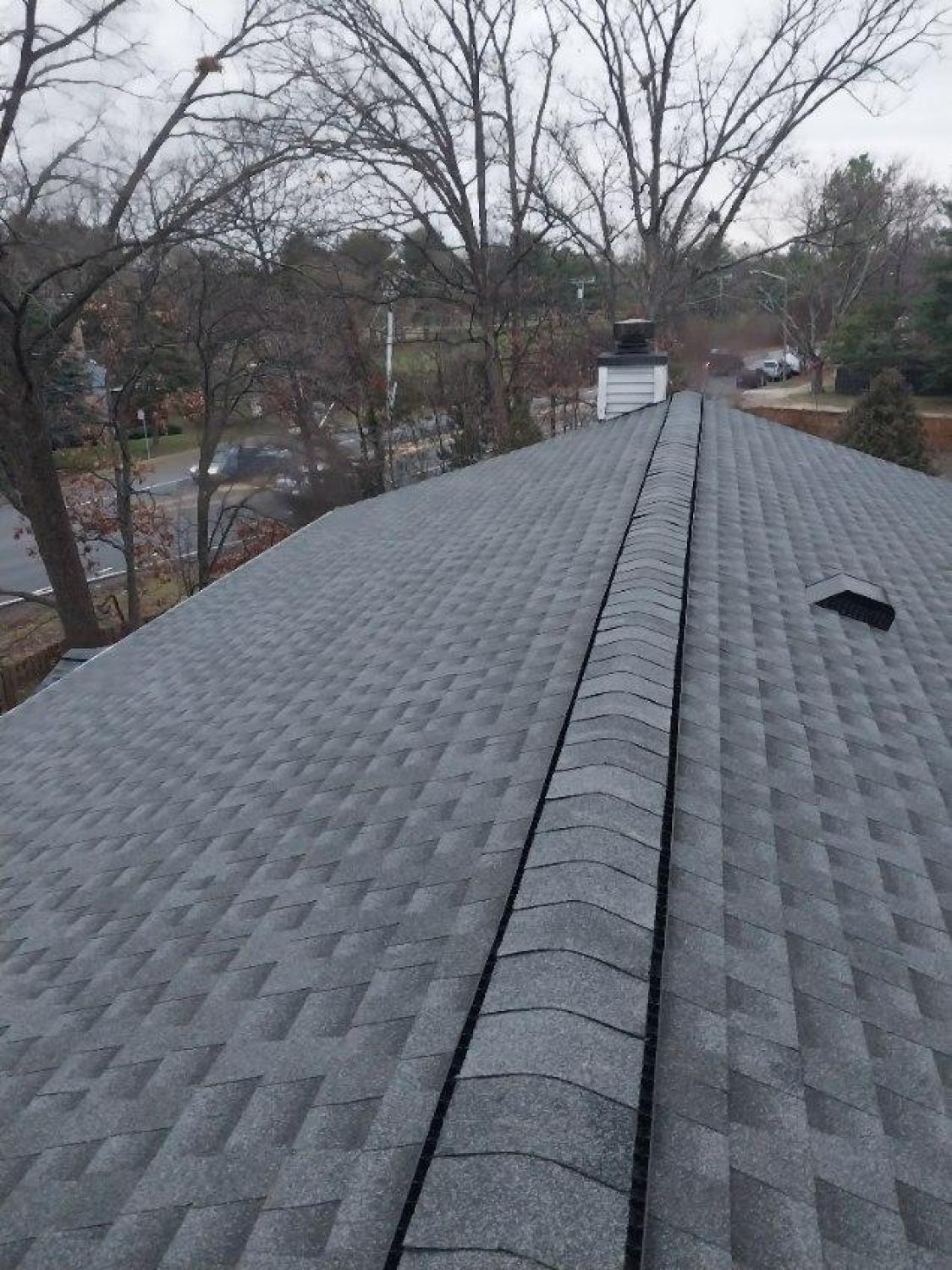
In our experience, ventilation problems in older homes are often hidden until a roof inspection. The shingles may show wear first, but the attic can explain why the roof aged faster.
What our customers have seen is that better airflow can help protect the roof system. From actual jobs, we know intake, exhaust, and attic moisture all need to be checked together.
Ventilation is easy to overlook because most of it happens in the attic. But it can have a big effect on roof life.
What our customers have seen is usually the roof damage first. The ventilation issue is often found during the inspection.
Older Homes Were Built Differently
Many older homes were not built with today’s attic ventilation standards in mind. Some have limited soffit vents, blocked airflow, or mixed roof additions.
That can make it harder for heat and moisture to leave the attic the right way.
Heat Can Wear Down Shingles
When attic heat gets trapped, shingles can age faster from underneath. This can lead to curling, cracking, and shorter roof life.
If your older roof is aging faster than expected, RIBA Roofing & Exteriors can inspect the roof and ventilation together.
Frequently Asked Questions
Why do older homes have ventilation issues?
Many older homes were built before modern attic ventilation practices and may have blocked or limited airflow.
Can poor ventilation damage a roof?
Yes. Trapped heat and moisture can shorten shingle life and damage roof decking.
Can ventilation be fixed during roof replacement?
Often, yes. Roof replacement is a good time to review intake, exhaust, decking, and attic airflow.