Quick Answer
Buyers usually notice roof age, missing shingles, stains, uneven color, patchy repairs, and how the roof looks in listing photos. They may not know roofing terms, but they can often tell when a roof looks tired or risky.
In our experience, buyers react to the roof because they see it as protection and a future cost. Sellers preparing for the market can use our roof replacement before selling in Fairfax page to decide what to fix before listing.
How to Use This Guide
Start with the Quick Answer, then scan the tables and cards. That gives you the main decision points before you read every section.
This article is roofing and sale-prep guidance, not legal, appraisal, lending, insurance, or real estate advice.
Introduction
Buyers may not walk up to a house saying they are roof experts. But they still look at the roof.
The roof is part of the first impression. It shows in curb appeal, online photos, home inspection reports, and buyer questions.
Many customers notice that buyers react to visible roof issues even before they know the full condition.
If you are selling in Fairfax, you can also start with RIBA Roofing & Exteriors for local roof inspection, repair, and replacement guidance.
First Impressions Matter
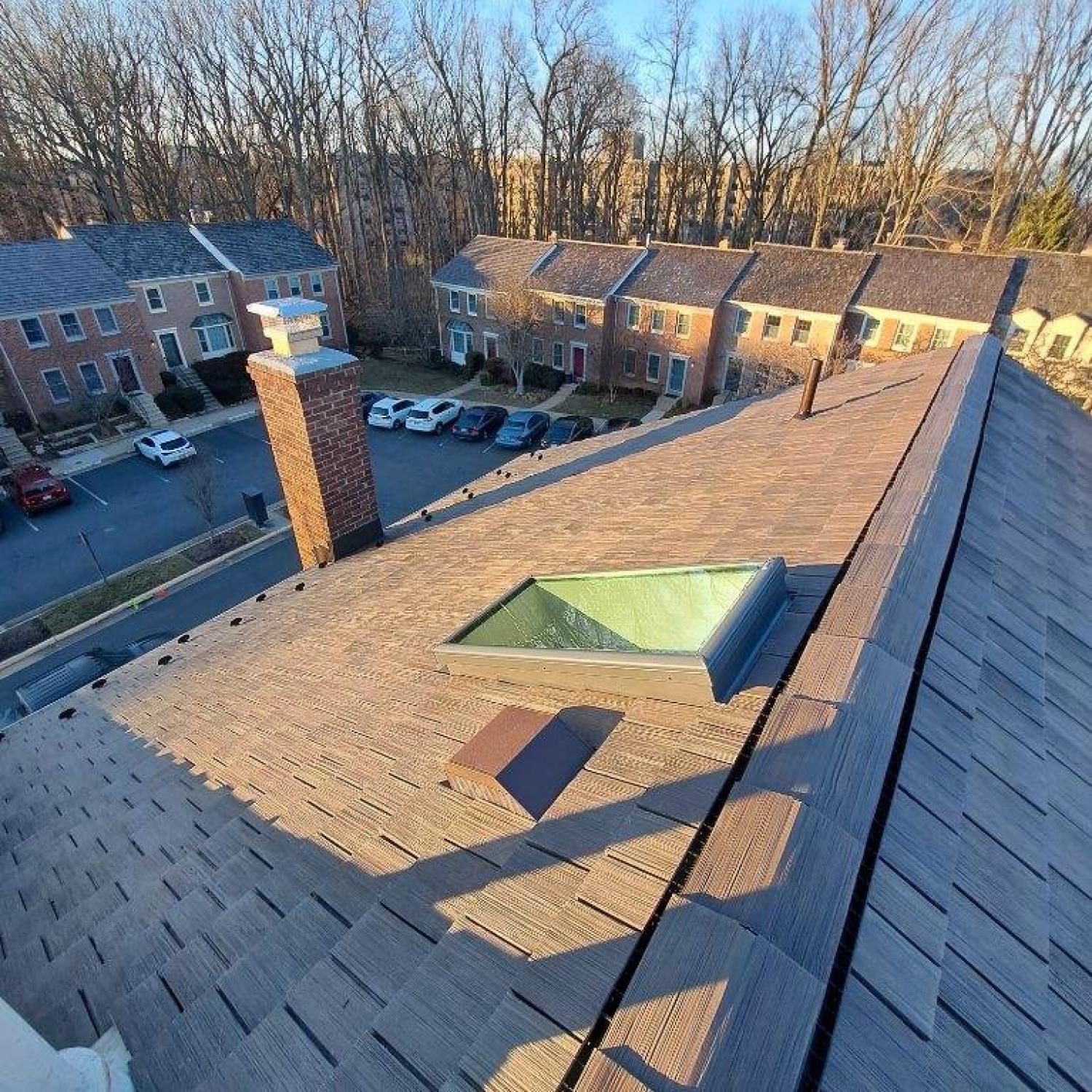
A roof that looks clean and consistent can make the home feel better maintained. A roof that looks patchy or worn can create doubt.
What we usually see is that buyers notice big visual signals first. They see missing shingles, stains, sagging lines, discoloration, and obvious repairs.
In our opinion, sellers should treat the roof as part of the home’s presentation, not just a functional system above the attic.
Color and Streaks
Dark streaks or uneven color can make the roof look older in photos.
Missing Shingles
Open gaps or lifted tabs are easy for buyers to spot.
Patchy Repairs
Mismatched shingles can make buyers ask what happened.
Roofline Shape
Sagging, waves, or uneven planes can raise deeper concerns.
What Buyers Notice First
Tables make seller decisions easier to scan. Use this one to compare the issue, possible path, and likely buyer concern.
| Buyer Signal | What They May Think | Seller Action |
|---|---|---|
| Old-looking roof | The home may need a major expense soon. | Get roof condition reviewed before listing. |
| Ceiling stain | There may be an active or past leak. | Document repairs and confirm current condition. |
| Mismatched shingles | The roof may have storm damage or poor repairs. | Repair or explain with records. |
| Clean newer roof | The home may be better maintained. | Keep warranty and installation documents ready. |
Evidence and Trust Notes
The 2024 Cost vs. Value report from JLC lists asphalt roofing replacement with a national average job cost of $30,680, resale value of $17,461, and 57% cost recouped. Local results can differ, so sellers should treat this as context, not a guarantee.
InterNACHI’s Standards of Practice describe a home inspection as a non-invasive visual examination. That is why sellers should understand visible roof concerns before a buyer inspection becomes part of the transaction.
Virginia’s Residential Property Disclosure Act is an official reference for sellers. Roofing disclosure questions should be discussed with a real estate professional or qualified legal advisor.
For a basic public definition of a roof, Wikipedia describes it as the top covering of a building, including materials and construction needed to support it. That simple definition helps explain why buyers care about the roof so much.
What Sellers Should Document
In our experience, sellers feel stronger when they can answer buyer questions with records instead of memory. Documentation does not need to be complicated. It needs to be clear.
Keep roof documents in one folder before listing. If buyers ask about the roof, fast answers can reduce friction during negotiation.
Buyer Questions Sellers Should Be Ready For
This table helps sellers compare the next step to the real goal: keeping the sale moving with fewer surprises.
| Question | Why Buyers Ask | Helpful Seller Prep |
|---|---|---|
| How old is the roof? | They want to estimate future cost. | Know the installation year if possible. |
| Has it leaked? | They worry about hidden damage. | Keep repair records and inspection notes. |
| Who did the work? | They want confidence in workmanship. | Keep contractor invoices or warranty details. |
| Will it pass inspection? | They want transaction confidence. | Consider a pre-listing roof inspection. |
Field Notes From Real Seller Roofing Conversations
What we have seen on actual seller calls is that roof stress often starts late. The homeowner may be focused on cleaning, staging, photos, and moving, then the roof becomes a buyer issue.
Many customers notice that roof conversations feel different once a contract is involved. A repair that felt minor before listing can feel urgent during the inspection period.
One thing we commonly find is that sellers underestimate how buyers react to uncertainty. Buyers may accept an older roof, but they often want a clear answer about condition and future cost.
Based on our real-world experience, a seller should answer three questions early: What is the roof condition, what will buyers notice, and what documentation will support the listing?
Do not wait until the buyer inspection to learn the roof condition. A little information before listing can prevent a much larger negotiation later.
Seller Checklist Before Listing Photos
Listing photos are often the first showing. If the roof is visible from the street or drone photos, buyers may form an opinion before they read the property description.
In our experience, sellers do not need to solve every roof question before photos, but they should know whether the roof has obvious issues that will be seen quickly.
This checklist helps sellers prepare the roof conversation before the home is active. It is simple on purpose, because a stressful sale does not need more confusion.
What Buyers Usually Want to Know
Buyers do not always ask technical roofing questions. Many ask simple questions that point to trust, cost, and timing.
What we usually see is that buyers want to know whether the roof is a future problem. A clear answer can calm the conversation, while a vague answer can make the roof feel risky.
A seller who can answer basic roof questions with records often sounds more prepared. That preparation can help the whole home feel better maintained.
How old is it?
Roof age helps buyers estimate future replacement timing and possible insurance questions.
Has it leaked?
Leak history matters because buyers worry about hidden damage below the roof.
Who repaired it?
A contractor invoice can feel more reliable than a verbal memory.
Is there a warranty?
Warranty details can help buyers understand what may transfer and what does not.
Repair Credit, Replacement, or Price Adjustment?
Roof negotiations usually come down to three paths: do the work, offer a credit, or adjust the price. Each path has a different risk.
In our opinion, sellers should not choose one path until they understand what the roof actually needs. A small flashing repair should not be treated like a full roof replacement.
On the other hand, a roof near the end of its life should not be dismissed as a tiny maintenance item. Buyers can see through that quickly.
| Negotiation Path | When It May Work | What to Watch |
|---|---|---|
| Repair before closing | A small, clear roof issue has a defined scope. | Keep photos, receipts, and completion notes. |
| Full replacement before closing | The roof is clearly failing or buyer confidence is low. | Weather, materials, and schedule can affect timing. |
| Seller credit | Buyer wants control or closing is too close for work. | Both sides need to agree on amount and terms. |
| Price adjustment | The roof issue is part of a larger negotiation. | The seller may give up more than a repair would cost. |
How RIBA Thinks Through Seller Roof Questions
Based on our real-world experience, seller roofing work needs a different mindset than a normal replacement. The roof is tied to a transaction, not just a home improvement project.
That means speed matters, but accuracy matters too. A rushed answer that later changes can create more stress for the seller, buyer, and agents.
A strong roofing review should separate urgent issues from cosmetic issues. It should also explain what can be repaired, what should be watched, and what may justify replacement before closing.
Many customers notice that this clarity helps them talk with their agent. Instead of saying “the roof might be bad,” they can say what was inspected, what was found, and what the next step is.
That matters during inspection negotiations because buyers often respond better to specific information than broad promises. Clear roof notes can keep the conversation focused.
Good records make hard conversations easier.
Timing matters too.
A roofing contractor can explain roof condition and project options. Your agent, lender, insurance provider, and legal advisor should guide transaction-specific decisions.
Common Mistakes to Avoid
A seller does not need to make the roof perfect, but avoidable mistakes can create extra pressure. Most mistakes come from guessing instead of checking.
Waiting Too Long
Late roof decisions can create closing pressure and rushed negotiations.
Ignoring Photos
A tired roof can show in listing photos before buyers ever visit.
Missing Records
Without receipts or inspection notes, sellers may have weaker answers.
Overpromising
A seller should not promise roof condition without support from records or inspection.
Selling Soon and Worried About the Roof?
RIBA can help you understand roof condition, seller timing, repair options, and replacement planning before buyers make the roof a negotiation point.
Related Seller Roofing Guides
These supporting articles work together. If you are preparing to sell, read the topic that matches your biggest concern first.
Frequently Asked Questions
Do buyers care about roof age?
Yes. Roof age can shape buyer confidence because buyers often think about how soon they may need to pay for replacement.
What roof problems are most visible to buyers?
Missing shingles, dark streaks, mismatched repairs, sagging lines, ceiling stains, and damaged gutters are often visible before a full inspection.
Can a clean roof help listing photos?
Yes. A roof that looks consistent and well maintained can support curb appeal in listing photos and drive-by impressions.
Should sellers talk with a real estate agent before deciding?
Yes. A roofer can explain roof condition and project options, while a real estate agent can help connect the roof decision to pricing, timing, buyer expectations, and listing strategy.
Can roof problems delay a closing?
Yes. Roof problems can delay closing when buyers request repairs, lenders or insurers ask questions, or both sides need more time to negotiate a repair credit or completed work.
Final Thoughts
Buyers notice roof condition because it affects trust. Sellers who handle visible roof concerns before listing can reduce doubt and create a cleaner first impression.
A clear roof plan can help sellers protect confidence, timing, and negotiation strength.
Plan Your Seller Roof Strategy