Quick Answer
Roof replacement can help lower utility costs when the old roof is allowing heat, moisture, leaks, or poor airflow to affect the attic. The biggest gains often come when replacement includes ventilation review, roof deck inspection, and insulation awareness.
Best next step
If comfort, utility costs, or attic heat are on your mind, start with a roof and attic inspection. That gives you facts before you choose repair, ventilation work, or replacement.
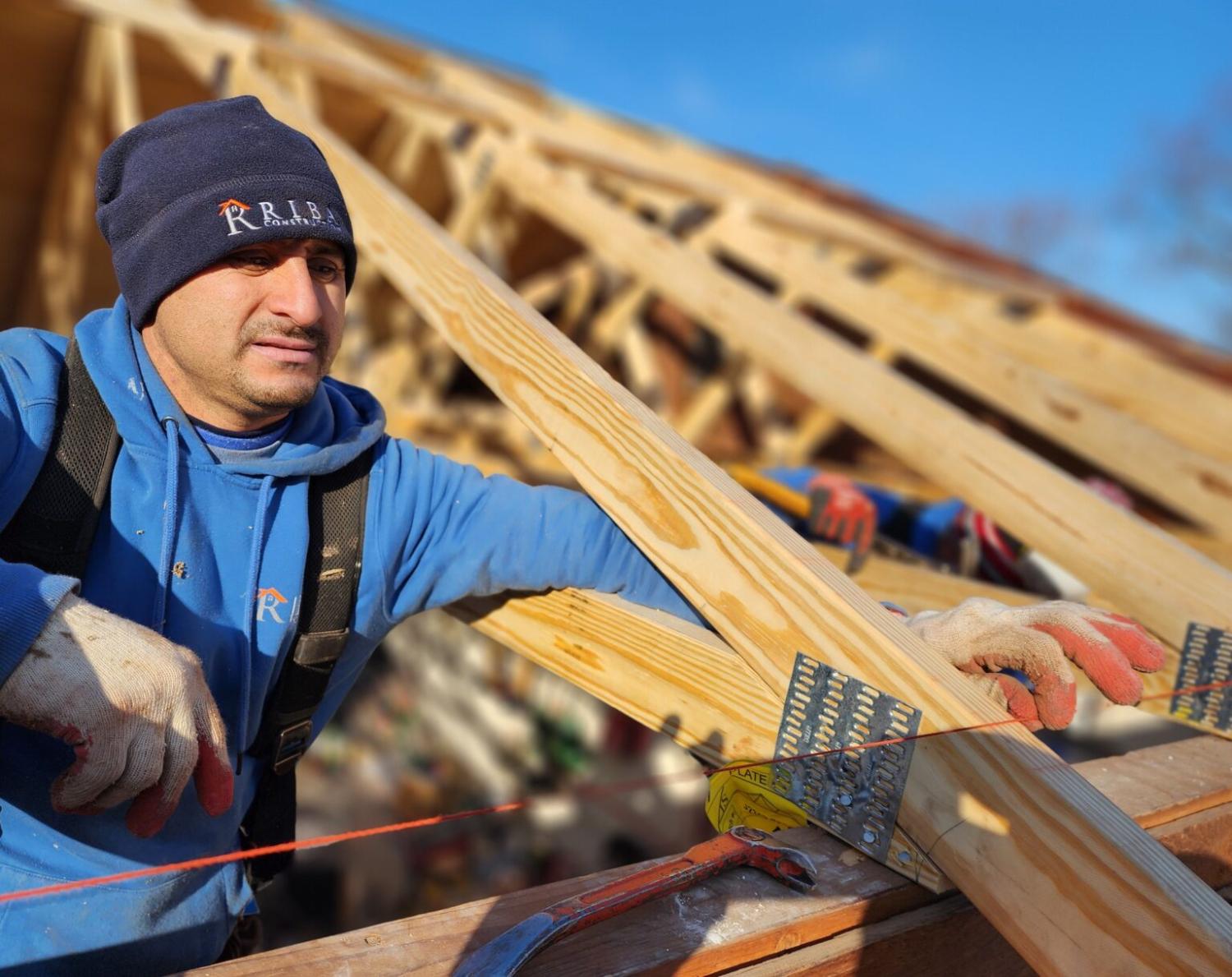
Roof Replacement Is More Than a New Surface
Many homeowners think roof replacement means removing old shingles and installing new ones.
That is part of it, but a good roof replacement can do more.
It can reveal damaged decking, blocked ventilation, weak flashing, damp insulation, and airflow problems.
In our experience, this is where utility-cost conversations become more practical.
The new roof is important, but the inspection and correction work below the shingles can matter just as much.
How an Aging Roof Can Waste Energy
An aging roof may have missing granules, brittle shingles, loose flashing, or small leaks.
Any of those can let heat, water, or outside air affect the attic space.
If insulation gets damp, shifted, or compressed, it may not work as well.
Many customers notice that the home feels harder to cool before they know why.
Why Ventilation Is a Big Part of the Savings Story
Ventilation helps attic air move instead of sitting under the roof.
When heat escapes properly, the upstairs can feel less heavy in warm weather.
When moisture escapes properly, the attic can stay healthier in cold or wet weather.
What we have seen is that roof replacement is a good time to fix ventilation because the roof system is already open for work.
How Replacement Protects Insulation
Insulation is one of the quiet parts of energy performance.
It does not look exciting, but it helps slow heat transfer between the attic and living space.
A roof leak can make insulation damp, and damp insulation can lose performance.
A roof replacement can help stop future water entry and protect that layer.
When Replacement Is the Better Long-Term Move
A repair may be enough if the roof is newer and the issue is limited.
But if the roof is old, hot, leaking, and showing repeated issues, replacement may be the smarter long-term choice.
Our guide to energy efficient roof replacement in Fairfax explains how replacement can support comfort when paired with airflow improvements.
You can also learn about RIBA on our homepage or see local roofing help for Fairfax.
For a general definition, see Wikipedia’s page about a roofer.
Ways Replacement Can Support Lower Utility Costs
Stops roof leaks
Helps protect insulation and decking from moisture.
Improves ventilation
Gives hot attic air a better path out.
Updates materials
Replaces old shingles with better-performing products.
Reveals hidden damage
Shows roof deck issues that could affect comfort.
Improves sealing details
Flashing and roof edges can be corrected.
Supports HVAC comfort
The HVAC does not have to fight as much attic heat.
Repair vs. Replacement for Energy Problems
This table is designed for fast scanning on mobile. Use it to connect what you notice in the home with what may be happening at the roof or attic level.
A Practical Replacement Plan
- Inspect the roof surface, attic, vents, decking, and moisture signs.
- Decide whether the roof is repairable or near the end of its life.
- Choose materials that fit the home, budget, and energy goals.
- Install the roof with ventilation details handled at the same time.
Important note
Energy issues are not always caused by the roof alone. HVAC, windows, ductwork, insulation, and air sealing can all matter. But from what we have seen, the roof and attic are often a smart place to start when the top floor feels hot or the roof is aging.
Common Mistakes to Avoid
Choosing by color only
Color matters, but ventilation, product quality, and installation matter too.
Ignoring the attic
The attic often explains why the home feels uncomfortable even when the roof looks fine from the street.
Waiting for a leak
High heat, moisture, and airflow problems can create damage before water reaches the ceiling.
A Few More Things Homeowners Ask Us
Many customers ask whether the roof, attic, insulation, or HVAC system is really causing the problem. The honest answer is that these parts often overlap. A roof inspection helps narrow it down before money is spent in the wrong place.
In our experience, the most helpful inspection is the one that connects symptoms to causes. If the second floor is hot, we look at attic heat. If shingles are aging early, we look at ventilation and material condition. If bills are rising, we look for heat gain, leaks, and airflow issues.
One common mistake is choosing a new product before the attic is checked. A better material can help, but it should be part of a full plan. The goal is not just a newer roof. The goal is a roof system that protects the home and supports comfort.
You may also find these related guides helpful: Can Your Roof Raise Energy Bills?, Why Proper Roof Ventilation Matters, Best Roofing Materials for Energy Efficiency.
Field Notes From Real Roofing Conversations
When homeowners ask us about how roof replacement helps lower utility costs, they are usually not looking for a science lesson. They want to know why the home feels different, what is worth fixing, and whether they are about to spend money in the right place.
In our experience, the best answer starts with listening to what the homeowner has noticed. A hot bedroom, a rising utility bill, a musty attic smell, or shingles that look tired can each point to a different part of the roof system.
What we have seen is that these clues often stack together. A roof may be aging, the attic may be hot, and the vents may be blocked. One small issue may not explain the whole problem, but several small issues can make the home uncomfortable.
That is why a quick glance from the driveway is not enough. The roof surface matters, but the attic tells a big part of the story. We want to understand how air is moving, where heat is sitting, and whether moisture has been trapped.
What the homeowner feels
Hot rooms, uneven temperatures, higher bills, or a home that never feels settled.
What the roof may show
Aging shingles, dark streaks, granule loss, soft spots, or flashing that needs attention.
What the attic may reveal
Blocked intake, weak exhaust, damp insulation, or dark roof decking under the surface.
How to Make a Smart Decision Without Guessing
A smart roofing decision should feel clear, not rushed. Homeowners should understand the problem, the risk, and the options before choosing repair, ventilation work, or replacement.
In our opinion, the first question is not always, “Do I need a new roof?” A better first question is, “What is the roof and attic system doing right now?”
If the roof is newer and the issue is isolated, a targeted repair may be enough. If the roof is older and several problems are showing up at once, replacement may be the cleaner long-term option.
Many customers notice that the decision becomes easier after they see photos and hear a plain explanation. They can compare what is urgent, what is optional, and what may save them from a bigger repair later.
The goal is to avoid guessing. Guessing can lead to patching the same area again, buying the wrong upgrade, or blaming the HVAC system when the attic is part of the problem.
Pro tip
Ask for the inspection findings in simple language. You should know what was checked, what was found, and why the recommended next step makes sense.
Repair, Ventilation Work, or Full Replacement?
Not every comfort or energy problem needs a full roof replacement. At the same time, not every older roof should be patched again. The right choice depends on age, condition, attic airflow, moisture signs, and how often problems are coming back.
For homeowners comparing bigger upgrades, this is where our energy efficient roof replacement in Fairfax page can help connect the pieces.
Questions Worth Asking Before You Approve the Work
Good questions make the process less stressful. They also help you compare contractors in a fair way.
- Did you check both the roof surface and the attic?
- Are the intake and exhaust vents balanced?
- Is there any sign of trapped moisture or dark roof decking?
- Are the shingles aging normally for this area?
- Would repair solve the issue, or is replacement the better long-term choice?
- How will the recommended work help comfort, protection, or roof life?
Based on our real-world experience, the best roofing conversations are the ones where the homeowner feels informed. You should not feel pushed into a decision you do not understand.
A helpful contractor should be able to show you what they found and explain the reasoning in normal language. If the answer sounds vague, ask for more detail before moving forward.
This is especially important with comfort and energy concerns because the signs can feel confusing. A clear inspection helps separate roof issues from insulation, HVAC, and general home performance concerns.
Why This Matters in Northern Virginia Weather
Northern Virginia roofs deal with hot summers, heavy rain, wind, humidity, cold snaps, and fast temperature swings. That mix can make roof and attic problems show up in different ways during the year.
In summer, trapped attic heat can make upstairs rooms feel uncomfortable and can keep cooling equipment running longer. In winter, trapped moisture can become the bigger concern, especially when warm indoor air reaches a cold attic surface.
What we have seen is that homeowners often notice one season first. Some notice the summer heat. Others notice musty attic air, roof stains, or small leaks after storms. All of those clues matter.
A roof system should be ready for more than one weather pattern. That means the shingles, flashing, decking, intake vents, exhaust vents, and insulation all need to work together.
This is why we like to explain the full picture. A homeowner may call about one symptom, but the inspection may show two or three connected issues that should be handled in the right order.
Need a clearer answer about your roof?
RIBA Roofing & Exteriors can inspect your roof, attic airflow, ventilation, and visible warning signs.
We will explain what we see in simple language so you can decide what makes sense next.
Frequently Asked Questions
Will a new roof lower my utility bills?
It can help when the old roof, attic heat, ventilation, or leaks were part of the problem.
What part of replacement helps the most?
In our opinion, ventilation correction and moisture protection often make the biggest comfort difference.
Can roof replacement fix a hot upstairs?
It may help, especially if attic heat and airflow are part of the issue.
Should insulation be checked during replacement?
Yes. Insulation and ventilation should be reviewed together.
Is roof replacement worth it for energy savings alone?
It depends on roof age and condition. If the roof is already failing, energy comfort can be one more benefit.