Quick Answer
Ridge vents can improve roof lifespan when they are installed correctly and paired with enough intake ventilation at the soffits or eaves.
In our experience, a ridge vent is not a magic strip on the roof. It works as part of a balanced system that moves air from low intake vents to high exhaust vents.
When that system works, attic heat and moisture are less likely to stay trapped under the roof deck.
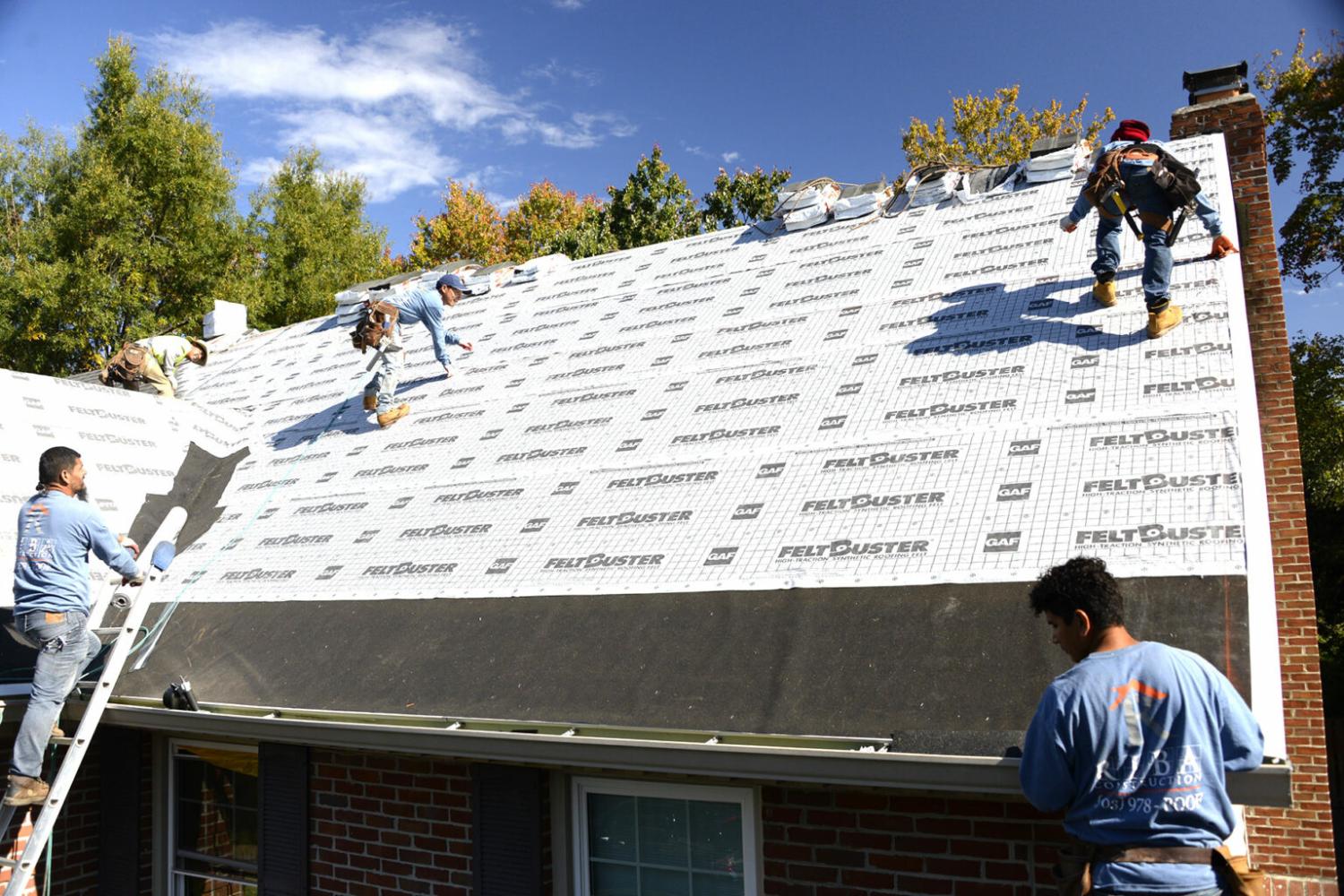
Image recommendation: existing RIBA roofing image. Alt text: Ridge vent roof ventilation installation for Fairfax homes.
A ridge vent sits near the peak of the roof. It gives warm attic air a place to escape.
Many homeowners hear that ridge vents are good for the roof, but they are not always told why intake matters just as much.
What we have seen on actual jobs is that ridge vents help most when the attic has a clear airflow path.
This article supports our page for roof ventilation and moisture control services in Fairfax.
What A Ridge Vent Does
A ridge vent is an exhaust vent. It helps air leave the attic near the highest point of the roof.
Warm air naturally rises, so the ridge is a logical place for exhaust when the roof design supports it.
In our opinion, the most important word is balanced. A ridge vent needs intake air from below to work properly.
As part of the larger roof system, ventilation helps manage heat and moisture under the roof covering.
Exhaust Path
Warm attic air can leave near the roof peak.
Moisture Release
Humid attic air has a better path out.
Heat Control
Less trapped heat can reduce roof stress.
Cleaner Look
A continuous ridge vent often blends into the roofline.
Balanced Ventilation Matters More Than One Product
A ridge vent can fail to perform if soffit vents are blocked or missing.
Based on our real-world experience, some homes have exhaust added without solving intake. That can create weak airflow.
A ridge vent installer should inspect the attic, soffits, baffles, roof shape, and existing vents before making a recommendation.
| Part Of System | Job | Problem If Missing |
|---|---|---|
| Soffit intake | Lets fresh air enter low. | Ridge vent may not pull enough air. |
| Baffles | Keep insulation from blocking intake. | Airflow can stop at the eaves. |
| Ridge vent | Lets warm air exit high. | Heat and moisture can stay trapped. |
| Air sealing | Limits indoor moisture entering attic. | Ventilation may have to fight constant moisture. |
| Insulation | Keeps living-space heat out of attic. | Roof deck may warm unevenly in winter. |
How Ridge Vents Can Help Roof Lifespan
Heat and moisture are two common roof stressors. Ridge vents help when they reduce the amount of heat and humidity trapped in the attic.
Many customers notice that upstairs comfort improves when attic ventilation is corrected, though every home is different.
One thing we commonly find is that roof age, shingle condition, attic airflow, and insulation all need to be considered together.
Less Heat Stress
Lower attic heat can reduce stress on shingles and roof decking.
Less Moisture
Better exhaust can reduce condensation risk when paired with intake.
Better Winter Balance
A colder, more even roof deck can reduce ice dam risk.
Improved System Performance
Ventilation supports the roof, insulation, and attic together.
When Ridge Vents Are Not The Right Fix
Ridge vents are useful, but they are not always the answer.
In our experience, adding a ridge vent to the wrong setup can disappoint homeowners because the main problem remains.
A good inspection should confirm the roof can support ridge ventilation and that intake is available.
| Situation | Why Ridge Vent Alone May Not Help | Better Next Step |
|---|---|---|
| Blocked soffits | No low intake air. | Clear intake and add baffles. |
| Bath fan in attic | Moisture source continues. | Vent fan outdoors. |
| Active roof leak | Water source is outside leakage. | Repair roof leak first. |
| Complex roof shape | Air may not move evenly. | Design ventilation by attic area. |
| Mixed exhaust vents | Different exhaust types can compete. | Review the full vent plan. |
Helpful Sources And Roofing Context
For general roofing background, the public roof reference explains that a roof is the top covering and protective construction of a building.
For mold concerns, the EPA mold and moisture guide is a useful government source because it emphasizes moisture control as the key step.
These resources are helpful for context, but the right fix still depends on what is happening in your roof, attic, insulation, and ventilation system.
How Ridge Vents Improve Roof Lifespan Field Notes
In our experience, homeowners get better results when they check the attic and roof together because the visible symptom may not be the starting point.
In our experience, homeowners get better results when they take photos of stains, vents, ducts, shingles, and insulation before anything is moved or cleaned.
In our experience, homeowners get better results when they avoid guessing based on one stain because roof leaks and condensation can look similar.
In our experience, homeowners get better results when they ask whether bath fans and kitchen fans discharge outdoors instead of into attic space.
In our experience, homeowners get better results when they look for blocked soffit intake before adding more exhaust vents.
In our experience, homeowners get better results when they review insulation and air sealing because ventilation cannot solve every heat or moisture problem alone.
In our experience, homeowners get better results when they keep all inspection photos, estimates, approvals, and repair notes in one folder.
In our experience, homeowners get better results when they check roof age and shingle condition when ventilation issues show up with curled or brittle shingles.
In our experience, homeowners get better results when they treat recurring moisture as a system problem, not a cosmetic problem.
In our experience, homeowners get better results when they ask for clear next steps, not just a product recommendation.
Common Mistakes To Avoid
Common Mistake
Do not add random roof vents without checking intake, exhaust, air sealing, insulation, and moisture sources. More vents are not always the same as better ventilation.
Pro Tip
Ask for inspection photos. A clear photo of blocked soffits, rusty nails, wet decking, or poor fan ducting can make the recommended fix much easier to understand.
Need A Roof Ventilation Inspection?
If your attic smells musty, your upstairs feels too hot, or you are seeing condensation, staining, or ice dam warning signs, RIBA Roofing can inspect the roof and explain the next practical step.
Request A Roof Ventilation InspectionRelated Ventilation And Roofing Resources
For service help, visit RIBA Roofing or view our Fairfax roofing services.
For the main service page, read roof ventilation and moisture control services in Fairfax.
For broader roof performance, see energy efficient roof replacement in Fairfax or contact a Fairfax roofing contractor.
Frequently Asked Questions
Do ridge vents improve roof lifespan?
Ridge vents can support roof lifespan when they are installed correctly and balanced with enough intake ventilation.
Can a ridge vent work without soffit vents?
A ridge vent needs intake air to work well. Without enough intake, airflow may be weak.
Will a ridge vent stop attic mold?
A ridge vent may help reduce moisture, but the moisture source must be found. Mold-like staining may involve leaks, bath fans, air leaks, or blocked intake.
Are ridge vents better than box vents?
It depends on the roof design and attic layout. Ridge vents work well for many homes, but the full ventilation system matters more than one product.
Can ridge vents help with ice dams?
Balanced ventilation can help keep roof deck temperatures more even, which may reduce ice dam risk when paired with insulation and air sealing.
Can RIBA Roofing inspect ridge ventilation?
Yes. RIBA Roofing can inspect ridge vents, intake vents, attic airflow, and roof conditions for Fairfax homeowners.
Final Thoughts
How Ridge Vents Improve Roof Lifespan is easier to solve when the roof and attic are treated as one connected system.
Based on our real-world experience, the best first step is a clear inspection that separates roof leaks, condensation, ventilation issues, and indoor moisture sources.
If you need help in Fairfax, RIBA Roofing can inspect the roof ventilation and moisture conditions and explain the next step in plain language.
Homeowner Checklist Before Adding Ridge Vents
- Confirm that the home has enough intake ventilation before adding ridge exhaust.
- Ask whether soffit vents are open, blocked, painted over, or covered by insulation.
- Review the roof shape, because ridge vents work best when the attic layout supports a continuous high exhaust path.
- Check whether old box vents, gable vents, or powered vents could compete with a new ridge vent.
- Ask how the ridge slot will be cut and protected during installation.
- Confirm that baffles will keep the intake path open where insulation meets the eaves.
- Inspect the roof deck for staining or soft areas before covering the roof with new materials.
- Keep product details, photos, and warranty information after the ridge vent work is complete.
In our experience, a simple checklist keeps the conversation focused. It also helps the homeowner compare the inspection findings with the actual symptoms they have seen in the home.
What we have seen is that roof ventilation decisions are easier when the contractor explains the cause, the risk, and the expected result of each repair step.
The checklist also helps separate urgent issues from planning issues. Active water, wet insulation, soft decking, or staining that grows quickly should be handled faster than a general comfort complaint.
For less urgent symptoms, the checklist gives the homeowner a better way to prepare for the inspection. Dates, weather patterns, room locations, and attic photos can all help the contractor understand the pattern.
In our opinion, the best repair conversation should end with a clear written scope. That scope should explain what was found, what should be corrected first, and what can be watched over time.
This matters because roof ventilation is not one product. It is a relationship between intake, exhaust, roof design, insulation, air sealing, indoor moisture, and the condition of the roofing materials.
A useful scope should also say what is outside the roofing contractor’s lane. Mold remediation, indoor air testing, insulation upgrades, and electrical fan work may require separate professionals, depending on what the inspection finds.
That clarity protects the homeowner from vague promises. It also helps each contractor focus on the part of the moisture problem they are qualified to solve.
For Fairfax homeowners, this is especially useful because weather can change quickly from humid summers to cold winter nights. The same attic may need to handle heat, condensation risk, storm moisture, and snow melt in different seasons.
That is why the best inspection reports are specific. They name the visible problem, show where it was found, and explain which repair should happen first.
Clear records also make future maintenance easier for the homeowner and future contractors after each project.
If the inspection finds more than one issue, the repair plan should put the causes in order. For example, an active roof leak should be handled before cosmetic attic cleanup, and a bath fan dumping humid air into the attic should be corrected before judging whether new vents solved the moisture problem.
A practical plan may include roof repair, ventilation correction, intake clearing, baffles, duct rerouting, air sealing, insulation review, or future roof replacement. The right mix depends on the home, not a one-size-fits-all checklist.
Many customers appreciate when the explanation is plain. They want to know what is urgent, what is optional, what can wait, and what will happen if nothing changes.
That plain explanation is what makes a technical roof issue easier for a homeowner to act on with confidence during roof repairs.
It also helps avoid paying for a visible fix while the hidden moisture source continues causing damage inside the attic space.