FAIRFAX ROOF INSPECTION SERVICES
Roof Inspection in Fairfax, VA
Clear, practical roof inspections for leaks, aging shingles, storm damage, attic moisture, and homeowners planning repairs or replacement.
Quick answer
A roof inspection examines shingles, flashing, valleys, penetrations, roof edges, gutters, ventilation, and visible attic conditions. The goal is to identify the likely source of a problem and explain what should happen next. A good inspection may recommend repair, replacement, monitoring, or no immediate work.
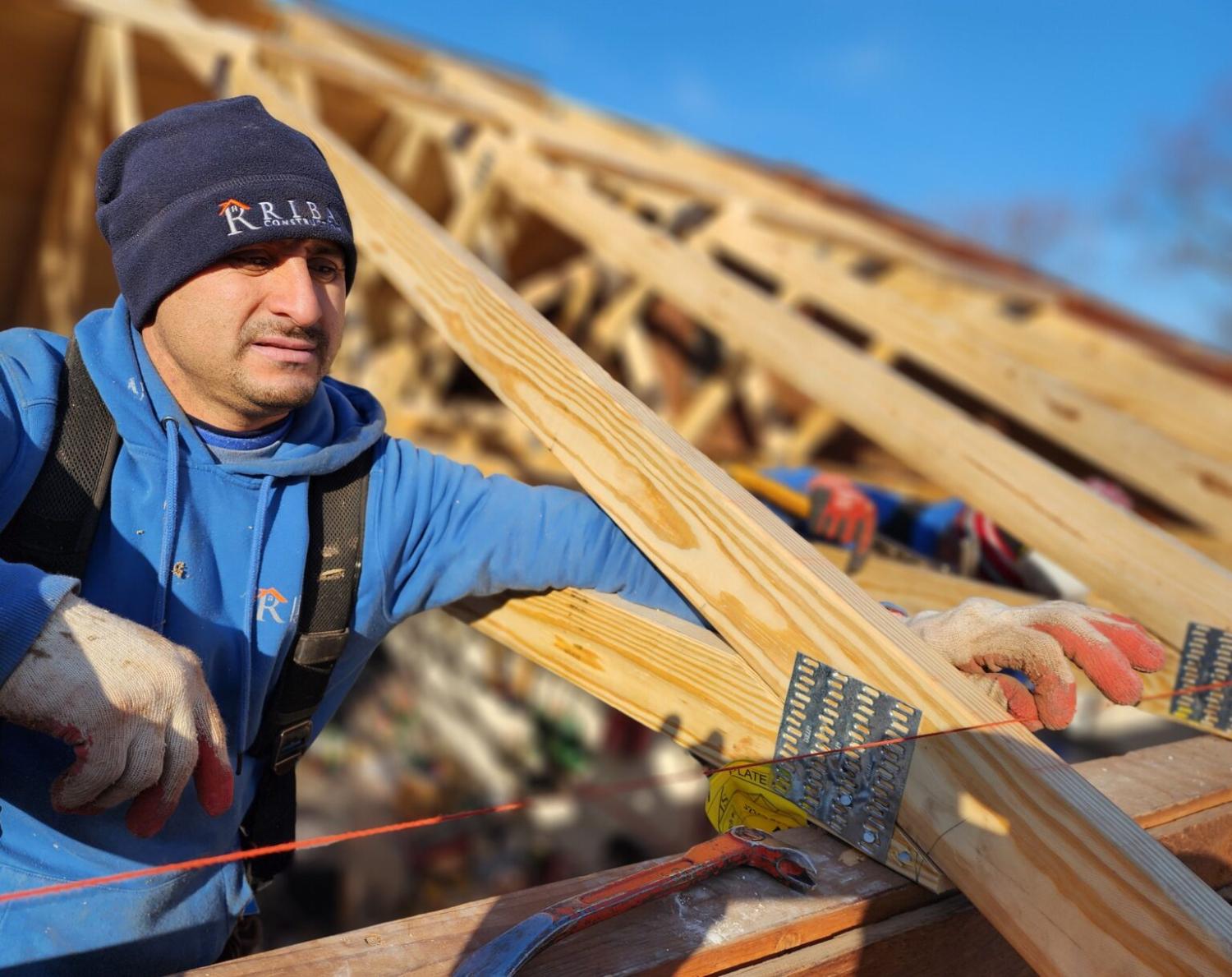
Homeowners often schedule an inspection after a leak, storm, home purchase, or notice of aging shingles. The inspection should give you useful information, not pressure. This guide explains what a Fairfax roof inspection includes, what questions to ask, and when to schedule one.
When should you schedule a roof inspection?
- After wind, hail, heavy rain, or a fallen branch
- When you see a ceiling stain, drip, or musty attic smell
- When shingles are missing, cracked, curled, or shedding granules
- Before buying or selling a home
- Before planning a roof repair or replacement
- When an older roof has not been checked recently
In our experience, homeowners get the most value when an inspection happens before a small concern becomes an interior repair. A roof can look acceptable from the driveway while flashing, valleys, or decking show early signs of trouble.
What does a professional inspection check?
| Area | Questions the inspection answers |
|---|---|
| Shingles | Are there missing, cracked, brittle, or wind-lifted shingles? |
| Flashing | Are transitions at chimneys, walls, valleys, and vents sealed? |
| Roof edges | Are drip edges, eaves, rakes, and gutters directing water correctly? |
| Attic and deck | Are there stains, damp insulation, nail rust, or soft areas? |
| Ventilation | Is intake and exhaust airflow balanced and unobstructed? |
How a Fairfax roof inspection works
- Share the history. Tell the inspector what you noticed, when it started, and whether weather changes it.
- Review the exterior. The inspector checks roof planes, shingles, flashing, penetrations, edges, gutters, and nearby trees.
- Check accessible attic areas. Stains, condensation, nail rust, and damp insulation can help trace moisture.
- Document findings. Photos and notes show what was observed and where.
- Discuss options. The inspector explains repair, replacement, monitoring, or follow-up needs.
- Receive a written scope. If work is recommended, the estimate should identify materials, labor, timing, cleanup, and warranty terms.
Storm damage inspections and insurance
After a storm, take photos from the ground and protect any opening if it can be done safely. A contractor can document visible conditions and describe the repair scope. Your insurance policy and insurer decide whether the damage is covered. Be cautious of a contractor who guarantees approval or asks you to sign before the inspection is explained.
What if the inspection finds attic moisture?
Attic moisture can come from a roof leak, blocked intake vents, weak exhaust, air leaks, insulation gaps, or bath fans venting into the attic. The inspection should consider the roof and attic together. Ventilation work alone will not fix a true roof leak, and a roof replacement will not solve a bath fan that discharges into attic space.
Important note
Do not climb onto the roof to investigate a concern. Wet shingles, steep slopes, and hidden damage create fall hazards. Use ground photos and arrange a professional inspection.
How often should a roof be inspected?
Many homeowners schedule an inspection every few years and after major weather events. The right interval depends on roof age, material, tree cover, previous repairs, attic conditions, and local weather. Ask the inspector to explain what should trigger the next review.
How RIBA handles roof inspections in Fairfax
RIBA Roofing & Exteriors serves Fairfax and surrounding Northern Virginia communities with roof inspections, repairs, replacements, and storm-damage support. The company is a Virginia Class A contractor and CertainTeed Select ShingleMaster. Homeowners receive practical explanations and a clear next step based on the roof’s condition.
See RIBA’s Fairfax roofing services or request a roof inspection.
Frequently asked questions
Does a roof inspection require attic access?
Attic access is helpful when available, but the inspector can still learn a great deal from the exterior. Tell the contractor if an attic area is finished or inaccessible.
Will an inspection tell me exactly how long my roof will last?
No inspection can promise an exact lifespan. It can identify current condition, visible risks, and factors that may shorten or extend useful life.
Do roof inspections include repairs?
An inspection diagnoses conditions. Repairs are separate work and should be described in a written estimate before they begin.
What should I receive after the inspection?
Ask for photos, findings, recommended next steps, and a written estimate when work is proposed.
Final thoughts
A roof inspection turns uncertainty into a plan. Schedule one after storms, before a sale, or when the roof shows signs of wear. Clear documentation helps you decide whether to repair, replace, or monitor the roof.