
FAIRFAX ROOF REPLACEMENT SERVICES
Roof Replacement in Fairfax, VA
A complete roof replacement can protect your home, resolve repeated leaks, and improve the way your roof handles Northern Virginia weather.
Quick answer
Roof replacement makes sense when a roof has widespread wear, repeated leaks, damaged decking, storm damage, or has reached the end of its expected service life. The right project includes more than shingles: it should address underlayment, flashing, ventilation, roof edges, penetrations, cleanup, and warranty coverage.
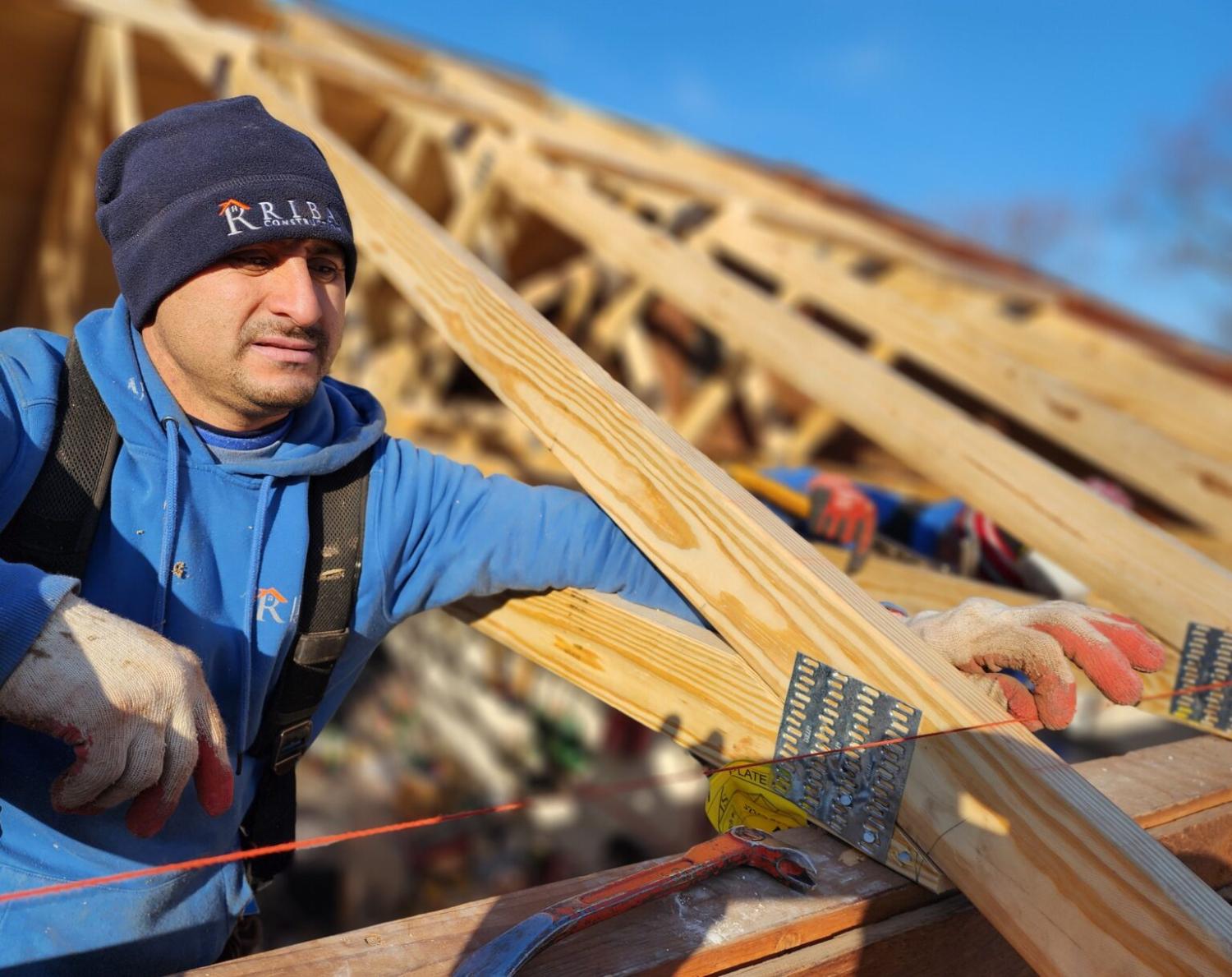
Roof replacement is a major home project. Homeowners want to know when replacement is truly needed, what the work includes, how long it takes, and how to avoid surprises. This guide explains the process in plain language for Fairfax and Northern Virginia homeowners.
When does a roof need replacement?
Age alone does not decide the answer. A roof may need replacement when damage is widespread, shingles are brittle or losing granules, leaks keep returning, flashing has failed in several locations, or the roof deck is no longer a sound fastening surface.
In our experience, the strongest signal is a pattern. One missing shingle may be a repair. Repeated leaks, several soft areas, and widespread curling suggest the roof system needs a broader evaluation. A professional inspection should document what is visible and explain what can be repaired, monitored, or replaced.
Widespread wear
Granule loss, brittle tabs, curling, and exposed matting across multiple roof areas.
Repeated leaks
Leaks that return after repairs may point to aging materials or hidden deck damage.
Storm damage
Wind or hail can damage enough of a roof that replacement is more practical than patching.
What does a Fairfax roof replacement include?
A complete scope should identify the existing layers, tear-off, deck inspection, underlayment, flashing, ventilation, shingles, ridge caps, drip edge, pipe boots, disposal, permits, cleanup, and warranty. The exact materials depend on the home and the approved estimate.
| Component | Why it matters |
|---|---|
| Tear-off | Exposes the deck and removes old materials that may hide damage. |
| Decking | Provides the solid surface needed for secure fastening. |
| Underlayment | Adds a water-shedding layer below the shingles. |
| Flashing | Directs water around chimneys, walls, valleys, and penetrations. |
| Ventilation | Helps manage heat and moisture when intake and exhaust are balanced. |
Step-by-step replacement process
- Inspection and estimate. The contractor reviews roof condition, attic clues, materials, and likely repair areas.
- Scope and scheduling. You approve the materials, price, timing, access plan, and change-order process.
- Property protection. The crew stages tarps, ladders, safety equipment, and ground protection.
- Tear-off. Old roofing is removed and the deck is checked.
- Repairs and installation. Decking, flashing, underlayment, ventilation, and shingles are installed in sequence.
- Cleanup and walkthrough. Debris and nails are removed, then the supervisor reviews the completed work with you.
How long does roof replacement take?
Many standard Fairfax homes take one to three days. A small, simple roof may be finished in a day. A steep, large, complex, or storm-damaged roof can take longer. Weather, material availability, hidden decking repairs, and inspections can change the schedule.
How much does replacement cost?
Price depends on roof size, pitch, material, tear-off layers, decking, flashing, ventilation, permits, and labor. Ask for a line-item estimate and confirm how hidden damage is handled. A low bid may leave out disposal, edge metal, ventilation, or the allowance for damaged decking.
Choosing roofing materials
Architectural asphalt shingles are common because they offer a practical balance of cost, appearance, and service life. Other materials may fit a specific home, roof design, or long-term plan. Ask how each option performs in heat, wind, rain, and winter weather, and review the product warranty before deciding.
Storm damage and insurance
If a storm caused damage, take photos from the ground and contact your insurer. A contractor can document visible conditions and explain the repair scope, but your policy and insurer determine coverage. Do not sign a contract based on a promise that a claim will definitely be approved.
Common mistake
Waiting until water enters the living space can turn a roof problem into interior damage. If you see missing shingles, stains, or a new leak, arrange an inspection promptly.
How RIBA handles roof replacement in Fairfax
RIBA Roofing & Exteriors serves Fairfax and surrounding Northern Virginia communities with inspections, repairs, replacements, and storm-damage support. The company is a Virginia Class A contractor and CertainTeed Select ShingleMaster. The process begins with an inspection, a written scope, careful property protection, installation, cleanup, and a final walkthrough.
See Fairfax roofing services or request a roof replacement estimate.
Frequently asked questions
Can a roof be replaced in winter?
It depends on temperatures, weather, material requirements, and the contractor’s installation plan. Ask how cold or wet conditions affect scheduling and protection.
Do I need to leave during replacement?
Usually no, but the work is loud. Plan for noise, keep pets away from the work zone, and close windows during tear-off.
Will my gutters be replaced?
Only if included in the scope or added through an approved change order. Ask how gutters and downspouts will be protected during work.
What should I inspect after completion?
Review cleanup, flashing, ridge caps, pipe boots, valleys, drip edges, and ground areas. Collect warranty and permit records.
Final thoughts
A well-planned roof replacement gives you a clear scope, realistic schedule, sound installation details, and documentation for future care. An inspection is the best first step when you are unsure whether repair or replacement is right.